Table of Contents
The importance of safety protocols on modern construction sites has grown tremendously as projects become larger, more complex, and more technologically advanced. Today’s construction environments involve heavy machinery, elevated work platforms, electrical systems, hazardous materials, and teams from multiple trades working simultaneously. Without strong safety protocols in place, even a minor oversight can lead to costly delays, serious injuries, or fatal accidents. Effective safety protocols must be comprehensive, covering everything from equipment operation to emergency response procedures. That is why implementing robust safety protocols, monitoring their effectiveness, and continuously improving these safety procedures is essential for any professional construction organisation. When safety protocols are properly enforced and regularly updated, they create a culture of protection that benefits workers, management, and clients alike.
Creating a Culture of Safety
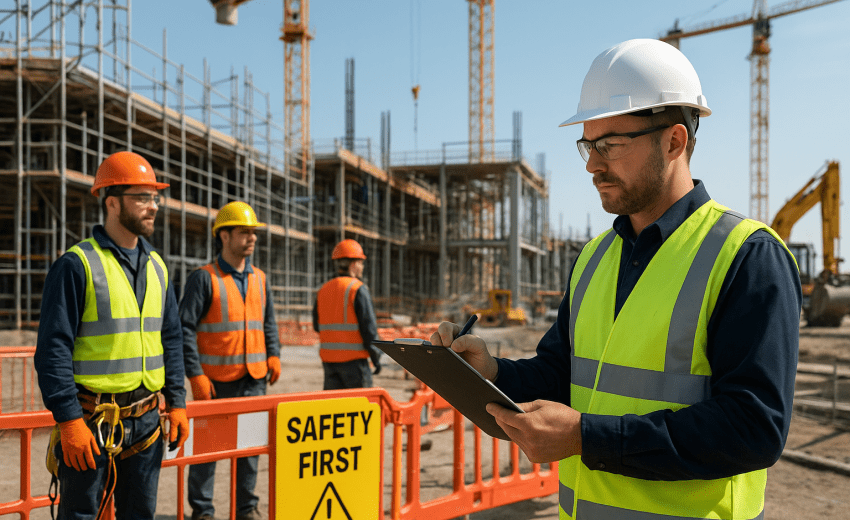
Safety protocols go far beyond handing out helmets and gloves. A true safety culture starts with leadership. When management prioritises safety training, monitoring, and accountability, workers naturally follow. Site managers play a key role by conducting regular briefings, equipment checks, and hazard assessments. Safety officers ensure that daily operations remain compliant with industry standards and government regulations, reducing the likelihood of violations or unnecessary risks.
Strong communication is part of this culture. Workers must feel empowered to report unsafe behaviour, faulty equipment, or procedural gaps without fear of consequences. Clear, open dialogue prevents incidents before they occur.
Training: The Foundation of Every Safe Site
Training is one of the most effective safety tools. Workers must understand how to operate machinery, follow emergency procedures, use personal protective equipment (PPE), and respond to unexpected hazards. Modern construction training also includes fall prevention, electrical safety, confined space awareness, and chemical handling.
Regular refresher sessions ensure skills remain sharp. With the constant introduction of new technologies—such as automated tools, drones, and digital monitoring systems—training helps teams adapt quickly and safely.
Technology Enhancing Worker Protection
Modern construction sites benefit from advanced safety tech that was once unimaginable. Tools like smart helmets, GPS tracking devices, and drone-based site scans help identify hazards more quickly and accurately. AI-powered systems can detect worker fatigue, monitor unsafe movements, and even predict potential risks before incidents occur.
Digital checklists, real-time reporting apps, and cloud-based dashboards give supervisors complete visibility of the site. These technologies, combined with traditional safety methods, significantly reduce the chances of accidents and improve overall efficiency.
Reducing Workplace Accidents and Delays
Safety protocols are directly linked to smoother project timelines. Accidents often lead to shutdowns, investigations, equipment repairs, and staff replacement—all of which cause delays and financial losses. By proactively reducing risks, companies ensure consistent progress, avoid project interruptions, and maintain strong relationships with clients and stakeholders.
Additionally, safe sites improve morale. Workers are more confident and productive when they know proper systems are in place to protect them.
Compliance and Professional Reputation
Construction companies must adhere to local laws, building codes, and safety regulations. Proper protocols help organisations avoid fines, penalties, and legal action. Beyond compliance, maintaining a strong safety record enhances company reputation. Clients prefer to work with contractors known for professionalism, responsibility, and care for their workers.
In an industry where competition is high, a proven safety culture becomes a major differentiator.
Conclusion
Modern construction is shifting toward sustainable and eco-friendly practices, and safety protocols are a crucial part of this transformation. Comprehensive safety protocols not only protect workers but also reduce waste, prevent equipment damage, and create efficient workflows that all contribute to long-term environmental and economic sustainability. Implementing green safety protocols means using non-toxic materials, reducing job site pollution, and minimizing the carbon footprint of safety operations.
As future projects become even more technologically advanced, safety protocols will continue evolving to incorporate smart monitoring systems, AI-driven risk assessment, and real-time hazard detection. The construction companies that invest in advanced safety protocols today will be the industry leaders of tomorrow, setting benchmarks for both worker protection and environmental responsibility.
Ready to Build with Confidence?
Get in touch with Charminar to learn how our project management expertise can streamline your next development.
📧 contact@bluediamondfm.com
📞 +971 56 705 4223
🌐 https://charminardubai.com/
Frequently Asked Questions (FAQ)
Why are safety protocols essential on modern construction sites?
They prevent accidents, protect workers, ensure legal compliance, avoid project delays, and improve overall productivity.
How often should safety training be conducted?
Training should occur before site entry and regularly throughout the project, with scheduled refresher sessions and updates for new equipment or procedures.
What role does technology play in construction site safety?
Technology helps identify hazards, monitor worker behaviour, enhance communication, and streamline safety reporting.
Who is responsible for enforcing safety protocols?
Everyone on site shares responsibility, but leadership—including site managers and safety officers—plays a crucial role in implementation and enforcement.
How do safety protocols impact project timelines?
They reduce accidents and disruptions, helping maintain steady progress and preventing costly delays.