Table of Contents
False ceilings have become an essential architectural element in modern commercial and residential spaces, offering both aesthetic appeal and practical functionality. Beyond their visual benefits, these suspended ceiling systems play a crucial role in concealing complex electrical infrastructure while significantly enhancing building safety standards.
Understanding the Concealment Advantage
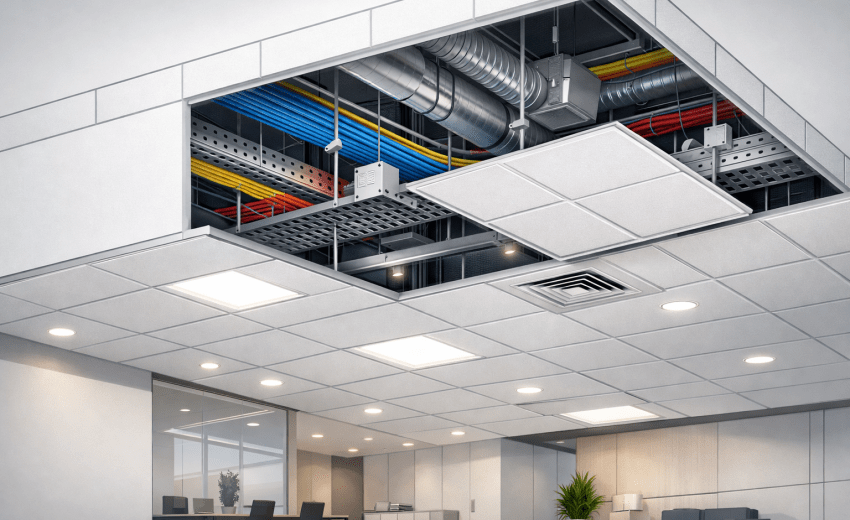
In today’s buildings, the network of electrical wiring, data cables, and communication lines has grown increasingly complex. False ceilings provide the perfect solution by creating a hidden cavity between the structural ceiling and the visible surface below. This space serves as an organized pathway for routing all types of wiring without compromising the interior appearance.
Traditional exposed wiring not only looks unsightly but also poses various risks. When electrical cables hang visibly or run along walls, they’re vulnerable to accidental damage, tampering, and environmental exposure. By installing false ceilings, property owners create a protected environment where wiring remains accessible yet safely tucked away from daily activities.
Safety Benefits Beyond Concealment
The safety advantages of false ceilings extend far beyond simple wire concealment. Modern suspended ceiling systems incorporate fire-resistant materials that can slow the spread of flames, providing crucial extra minutes during emergencies. Many systems are designed with fire-rated panels that meet strict building codes and safety regulations.
False ceilings also improve electrical safety by organizing wiring systematically. When cables are properly routed through the ceiling void, electricians can implement better cable management practices, including proper separation of power and data lines. This organization reduces the risk of electrical interference and potential short circuits that could occur with tangled or improperly installed wiring.
Another significant safety feature is improved ventilation. The space created by false ceilings allows for better air circulation around electrical components, preventing heat buildup that could lead to equipment failure or fire hazards. Proper ventilation through this cavity ensures that transformers, junction boxes, and other electrical equipment operate within safe temperature ranges.
Accessibility for Maintenance and Inspections
One of the most practical benefits of false ceilings is the ease of access they provide for maintenance and safety inspections. Unlike wiring concealed within walls, cables routed through ceiling voids can be reached simply by removing ceiling panels. This accessibility proves invaluable when repairs are needed or when electrical systems require upgrades.
Regular safety inspections become more efficient and thorough when inspectors can quickly access the entire wiring network. Electricians can identify potential hazards such as frayed wires, loose connections, or overheating components before they become serious problems. This preventive approach to electrical safety helps avoid costly repairs and dangerous situations.
Compliance with Building Codes
Modern building codes increasingly require proper concealment and protection of electrical infrastructure. False ceilings help property owners meet these regulatory requirements while maintaining flexible access to utilities. Many jurisdictions mandate specific clearances and protection standards for electrical wiring, and suspended ceiling systems are designed to accommodate these specifications.
The modular nature of false ceilings also allows for easy updates when building codes change or when new safety standards are introduced. Property owners can modify or upgrade their ceiling systems without major construction work, ensuring ongoing compliance with evolving safety regulations.
Integration with Safety Systems
False ceilings serve as an ideal platform for integrating various safety systems. Smoke detectors, sprinkler systems, emergency lighting, and surveillance cameras can all be seamlessly incorporated into the ceiling design. The concealed wiring for these systems maintains the clean aesthetic while ensuring these critical safety devices function properly.
The cavity above false ceilings also provides space for fire suppression system piping and emergency power cables, keeping these essential safety components protected yet accessible. This integration creates a comprehensive safety infrastructure that’s both effective and visually unobtrusive.
Acoustic and Thermal Safety Benefits
Beyond electrical safety, false ceilings contribute to overall building safety through acoustic and thermal insulation. The ceiling void can be filled with insulation materials that reduce noise transmission between floors and improve temperature regulation. Better thermal control means HVAC systems and electrical equipment work more efficiently, reducing strain that could lead to equipment failure.
Sound insulation also plays a safety role by ensuring alarm systems and emergency announcements are clearly heard without interference from external noise. This acoustic clarity can be critical during emergency evacuations.
Conclusion
False ceilings represent a smart investment in both aesthetics and safety. By concealing electrical wiring within an organized, accessible space, these systems reduce hazards while maintaining the flexibility needed for modern building operations. The combination of fire resistance, improved ventilation, easy maintenance access, and integration capabilities makes false ceilings an essential component of safe, functional building design. Whether renovating an existing space or planning new construction, incorporating quality false ceiling systems ensures your electrical infrastructure remains both hidden and safe for years to come.
Ready to Build with Confidence?
Get in touch with Charminar to learn how our project management expertise can streamline your next development.
📧 contact@bluediamondfm.com
📞 +971 56 705 4223
🌐 https://charminardubai.com/
Frequently Asked Questions (FAQ)
How much clearance is needed above false ceilings for electrical wiring?
Typically, a minimum of 6-8 inches of clearance is required above false ceilings to accommodate wiring, cable trays, and ventilation. However, this can vary based on local building codes and the complexity of your electrical systems.
Are false ceilings fire-safe?
Yes, when properly installed with fire-rated materials. Many false ceiling systems use fire-resistant panels and components that comply with building safety codes. Always ensure your installation meets local fire safety regulations.
Can I access wiring behind false ceilings easily?
Absolutely. One of the main advantages of false ceilings is easy access. Most systems use removable panels that allow electricians to reach wiring quickly without damaging the ceiling structure.
Do false ceilings require special electrical considerations?
Yes, electrical work in false ceilings must follow building codes, including proper cable routing, junction box accessibility, and clearance requirements. Always hire licensed electricians familiar with suspended ceiling installations.
How often should wiring in false ceilings be inspected?
Electrical inspections should occur every 3-5 years for commercial properties and every 10 years for residential properties, though this varies by jurisdiction and building use. Regular maintenance checks help identify potential safety issues early.