
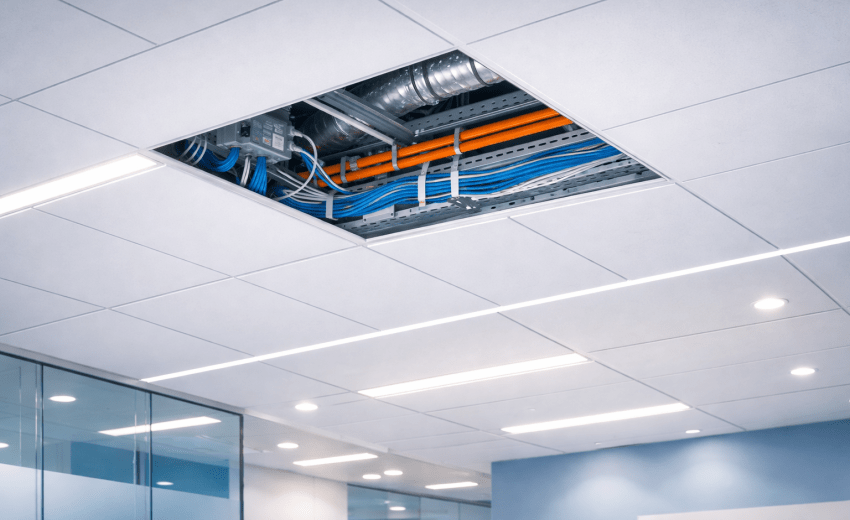
False ceilings have revolutionized modern interior design and building management, offering far more than just aesthetic appeal. These suspended ceiling systems serve a critical dual purpose: concealing unsightly electrical wiring while significantly enhancing safety standards in residential, commercial, and industrial spaces. As building codes become more stringent and electrical systems grow increasingly complex, the role of false ceilings in creating safer, more organized environments has never been more important.
The Durability Advantage
Modern buildings contain extensive electrical networks that power everything from lighting fixtures to HVAC systems, fire alarms, and data cables. Without proper concealment, these wires would create visual chaos and pose numerous safety hazards. False ceilings provide an elegant solution by creating a void space between the original ceiling and the suspended panel system, offering ample room for routing electrical conduits, cables, and wiring safely out of sight.
This concealment isn’t merely cosmetic. By housing wiring within the false ceiling cavity, building managers can organize electrical systems methodically, making future maintenance and upgrades significantly easier. Electricians can access wiring without demolishing walls or disrupting occupied spaces, simply by removing ceiling panels. This accessibility transforms what would otherwise be complicated, expensive renovations into straightforward maintenance tasks.
Safety Enhancement Through Proper Wire Management
One of the most compelling reasons to install false ceilings is the dramatic improvement in electrical safety they provide. Exposed wiring presents multiple hazards, including fire risks, electrocution dangers, and accidental damage. When electrical cables are properly routed through the suspended ceiling system, they’re protected from physical damage, moisture exposure, and unauthorized tampering.
The fire safety benefits are particularly noteworthy. Many modern false ceiling materials are fire-rated and can help contain electrical fires that might originate from faulty wiring. The ceiling cavity also allows for proper separation between different types of cables, preventing electromagnetic interference and reducing heat buildup that could compromise wire insulation. Additionally, the organized routing made possible by these systems ensures that wires don’t become entangled or compressed, which can lead to short circuits and electrical failures.
Compliance with Building Codes and Standards
Building regulations increasingly mandate proper cable management and concealment in commercial and public buildings. False ceilings help property owners meet these compliance requirements efficiently. The systems provide designated pathways for electrical installations that align with national electrical codes, ensuring that wiring is separated from plumbing, properly supported, and maintains required clearances from other building systems.
Insurance companies also look favorably upon buildings with professionally installed suspended ceiling systems. The reduced risk of electrical hazards can translate into lower insurance premiums, making the initial investment in quality false ceilings financially prudent over the long term.
Flexibility for Modern Technology Needs
Today’s buildings must accommodate constantly evolving technology. From smart building systems to enhanced telecommunications infrastructure, the electrical demands on modern structures continue to grow. False ceilings provide the flexibility needed to adapt to these changes without major renovations.
When new cabling is required for upgraded internet systems, additional security cameras, or modern lighting controls, the ceiling cavity offers ready-made pathways. This adaptability is invaluable in commercial settings where technological obsolescence can occur rapidly. Rather than tearing into walls or ceilings, new cables can be routed through existing false ceiling structures with minimal disruption.
Additional Safety Features
Beyond wire concealment, suspended ceiling systems contribute to overall building safety in multiple ways. They can integrate seamlessly with fire suppression systems, housing sprinkler pipes and detectors within the ceiling void. Emergency lighting and exit signs can be installed flush with ceiling panels, maintaining clear sightlines while ensuring compliance with safety regulations.
The acoustic properties of many false ceiling materials also contribute to safety by reducing noise levels in work environments, minimizing distractions that could lead to workplace accidents. In healthcare settings, the antimicrobial coatings available on certain ceiling tiles enhance hygiene and patient safety.
Professional Installation Is Essential
While the benefits of false ceilings are substantial, proper installation by qualified professionals is crucial. Incorrectly installed systems can create new hazards rather than eliminating them. Professional installers ensure that wiring complies with electrical codes, that ceiling supports can handle the weight of both the ceiling materials and any equipment installed within the cavity, and that proper fire barriers are maintained.
Conclusion
The value of false ceilings extends far beyond their aesthetic contribution to interior spaces. These systems serve as essential safety infrastructure, protecting electrical wiring from damage while making buildings safer for occupants. As electrical systems become more complex and safety standards more rigorous, the role of properly designed and installed suspended ceiling systems will only grow in importance. For building owners, facility managers, and safety-conscious organizations, investing in quality false ceiling solutions represents a commitment to both present safety and future adaptability.
Ready to Build with Confidence?
Get in touch with Charminar to learn how our project management expertise can streamline your next development.
📧 contact@bluediamondfm.com
📞 +971 56 705 4223
🌐 https://charminardubai.com/
Frequently Asked Questions (FAQ)
How much clearance is needed between the original ceiling and false ceiling for electrical wiring?
Typically, a minimum of 6-8 inches of clearance is recommended, though this can vary based on local building codes and the volume of wiring and equipment to be housed. Complex electrical systems may require 12 inches or more to allow adequate space for cable routing, maintenance access, and proper ventilation.
Can false ceilings support heavy electrical equipment like transformers or large light fixtures?
Standard false ceiling systems are designed to support typical lighting fixtures and minor equipment. However, heavy electrical components require additional structural support anchored directly to the original ceiling or building structure. A structural engineer should evaluate requirements for heavy equipment installations.
How often should wiring in false ceiling cavities be inspected?
Electrical codes typically require professional inspection every 3-5 years for commercial buildings, though high-use facilities may need more frequent checks. Regular visual inspections during routine maintenance are recommended, and any signs of burning smells, discoloration, or electrical issues warrant immediate professional assessment.
Are there specific false ceiling materials that offer better fire protection for electrical wiring?
Yes, fire-rated ceiling tiles and mineral fiber panels offer superior fire resistance. Class A fire-rated materials can withstand flames for up to two hours, providing crucial protection for electrical systems. Gypsum-based and mineral wool false ceilings are particularly effective at containing electrical fires.
Can I run all types of cables through false ceiling spaces?
While false ceilings can accommodate most standard electrical, data, and communication cables, building codes may restrict certain combinations. High-voltage power lines must be separated from low-voltage data cables, and specific plenum-rated cables are required in air circulation spaces to prevent toxic smoke in case of fire.