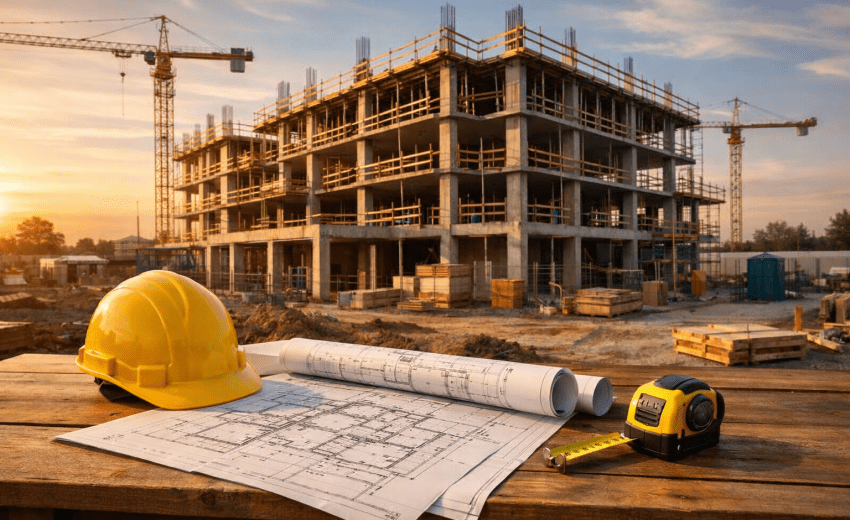
Construction projects — whether a full home renovation or a commercial build — are exciting milestones. But without careful planning, they can quickly spiral into costly delays, budget overruns, and endless frustration. The good news? Most setbacks are preventable. In this guide, we walk you through the key steps every homeowner and project manager should take to ensure their construction project runs smoothly from groundbreaking to completion.
1. Define Your Goals and Scope Before Breaking Ground
Every successful construction project starts with a crystal-clear vision. Before hiring anyone or purchasing a single material, document exactly what you want to achieve. Ask yourself: What is the purpose of this project? What are the must-haves versus the nice-to-haves? What is a realistic budget range?
Vague goals lead to scope creep — one of the biggest causes of delays in construction. When the scope changes mid-project, it throws off timelines, renegotiates contracts, and inflates costs. Lock in your scope early and commit to it.
2. Create a Realistic Timeline
One of the most common mistakes in construction planning is underestimating how long things take. A bathroom renovation that seems like a two-week job might take six weeks once permits, material delivery, and contractor scheduling are factored in.
Work backward from your desired completion date and build in buffer time — at least 10–15% more than your estimated timeline. Break the project into phases: design, permitting, demolition, building, inspections, and finishing. Assign realistic durations to each, and identify which phases must be completed before others can begin.
3. Secure Permits Early
Permits are the silent project killers. Many homeowners overlook them until the last minute, only to discover that local construction regulations require weeks — or even months — of approval time. Contact your local authority or building department early to understand which permits your project requires.
In most jurisdictions, structural changes, electrical work, plumbing updates, and additions all require permits. Skipping this step doesn’t just risk delays — it can result in fines, forced demolition, or complications when you sell the property.
4. Hire the Right Contractor
Your contractor can make or break your construction timeline. Don’t just go with the cheapest quote — evaluate candidates based on their track record, references, licensing, and communication style. A reliable contractor will give you a detailed written quote, a clear project timeline, and regular updates.
Ask these questions before signing any construction contract:
- Have you completed similar projects in this area?
- What is your approach to handling unexpected delays?
- Who are your subcontractors, and are they licensed?
- How do you communicate progress with clients?
5. Plan Your Budget with a Contingency Fund
Budget overruns are nearly universal in construction, but their severity depends on preparation. Set a detailed budget that accounts for every phase of the project — materials, labor, permits, design fees, and inspections. Then add a contingency fund of at least 15–20% for unexpected issues like hidden structural damage, price spikes in materials, or scope changes.
Track all expenses against your construction budget in real time. There are several project management apps designed specifically for this purpose that can help you stay on top of spending.
6. Order Materials in Advance
Supply chain disruptions have become a major threat to construction timelines in recent years. Custom windows, specialty tiles, steel beams, and cabinetry can have lead times of 8–16 weeks. Don’t wait until you need them to order — work with your contractor to identify long-lead items and order them as early as possible.
Also confirm material availability locally before finalizing your design choices. Substituting materials mid-construction because your first choice is out of stock can cascade into significant delays.
7. Communicate Consistently
Communication breakdowns are among the top causes of construction delays. Establish a weekly check-in schedule with your contractor. Use a shared communication platform where decisions, changes, and approvals are documented in writing.
If you’re managing multiple subcontractors, consider hiring a project manager or general contractor who can coordinate everyone on your behalf. Clear, consistent communication keeps everyone aligned and reduces costly misunderstandings.
8. Plan for Inspections
Every phase of your construction project will likely require inspections — framing, electrical rough-in, plumbing, insulation, and final occupancy. Schedule these in advance and make sure your contractor knows inspection dates are non-negotiable milestones.
Failed inspections can delay a project by days or weeks. To minimize this risk, ask your contractor to conduct their own pre-inspection walkthroughs before the official visit.
Conclusion
A well-planned construction project doesn’t happen by accident — it’s the result of clear goals, proactive communication, smart hiring, and disciplined budget management. By following the steps outlined above, you’ll be far better positioned to complete your project on time and within budget. Whether you’re renovating a kitchen or building from the ground up, preparation is always your most powerful tool.
Need expert help planning your next construction project? Contact our team today for a free consultation.
Ready to Build with Confidence?
Get in touch with Charminar to learn how our project management expertise can streamline your next development.
📧 contact@bluediamondfm.com
📞 +971 56 705 4223
🌐 https://charminardubai.com/
Frequently Asked Questions (FAQ)
How long does waterproofing last?
For major renovations or new builds, start planning at least 6–12 months in advance. This gives you time to finalize designs, secure permits, hire contractors, and order long-lead materials without rushing.
What is the most common cause of construction delays?
The most common causes include scope creep, late material deliveries, permit approval delays, and poor communication between the client and contractor. Addressing all of these in the planning phase significantly reduces risk.
Do I need a project manager for a home renovation?
It depends on the complexity of your project. For larger projects involving multiple trades (electrical, plumbing, structural), a project manager or experienced general contractor can be invaluable. They coordinate schedules, manage subcontractors, and serve as your single point of contact.
How do I avoid going over budget on a construction project?
Start with a detailed, itemized budget and include a 15–20% contingency fund. Track spending weekly. Avoid making design changes once construction has started, as mid-project changes are one of the fastest ways to blow a budget.
Can weather affect my construction timeline?
Absolutely. Exterior work — foundations, roofing, framing — is highly weather-dependent. Plan your project start date with seasonal weather patterns in mind. If you’re in a region with harsh winters or rainy seasons, try to schedule weather-sensitive phases during more favorable months.