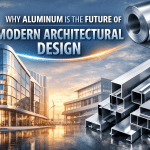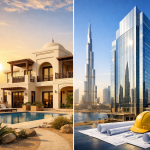
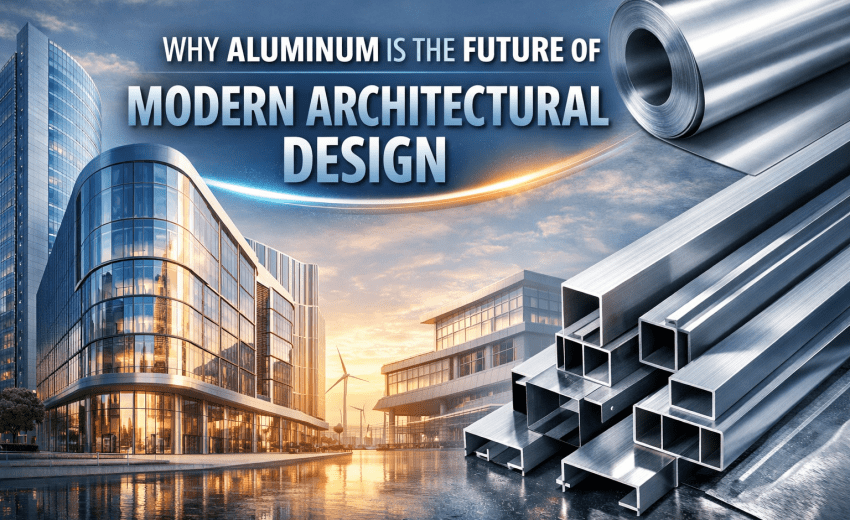
Aluminum cladding has revolutionized modern architecture, offering a perfect balance between structural protection and visual appeal. As building owners and architects seek solutions that deliver both longevity and aesthetics, this versatile material has emerged as a leading choice for commercial and residential projects worldwide.
The Durability Advantage
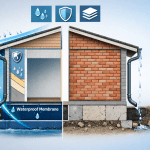
When it comes to protecting buildings from environmental challenges, aluminum cladding stands out for its exceptional performance characteristics. Unlike traditional materials that may deteriorate over time, aluminum naturally forms a protective oxide layer that shields the underlying metal from corrosion. This self-protecting quality makes it particularly valuable in coastal environments, industrial zones, and areas with harsh weather conditions.
The material’s resistance to rust and decay translates into decades of reliable performance with minimal maintenance requirements. Buildings clad in aluminum can withstand temperature fluctuations, heavy rainfall, strong winds, and UV radiation without compromising their structural integrity. This durability means fewer repairs, lower maintenance costs, and extended building lifespans that deliver significant value to property owners.
Fire resistance is another critical advantage. Aluminum cladding systems designed with proper fire safety standards provide an additional layer of protection, contributing to overall building safety. The material itself is non-combustible, and when installed correctly with appropriate insulation and fire breaks, it enhances the fire performance of the entire facade system.
Aesthetic Versatility for Every Vision
Beyond protection, aluminum cladding offers architects and designers unprecedented creative freedom. The material can be formed into virtually any shape, allowing for curves, angles, and complex geometric patterns that would be difficult or impossible with other materials. This formability enables iconic architectural designs that capture attention and define skylines.
Modern manufacturing techniques have expanded the aesthetic possibilities even further. Aluminum panels are available in an extensive range of finishes including anodized, powder-coated, and wood-grain textures. Color options span the entire spectrum, from subtle metallic tones to bold, vibrant hues that make architectural statements. The finish quality remains consistent over time, maintaining the building’s appearance for years without fading or discoloration.
The sleek, contemporary look that aluminum naturally provides aligns perfectly with modern architectural trends. Whether creating minimalist facades, industrial-chic designs, or sophisticated corporate buildings, this material adapts seamlessly to diverse aesthetic requirements. The clean lines and smooth surfaces contribute to a polished, professional appearance that enhances property value and brand image.
Sustainability and Environmental Benefits
In an era where sustainable building practices are increasingly important, aluminum cladding presents compelling environmental advantages. Aluminum is one of the most recyclable materials available, with nearly 75% of all aluminum ever produced still in use today. At the end of a building’s lifecycle, the cladding can be recycled without loss of quality, reducing waste and conserving natural resources.
The lightweight nature of aluminum also contributes to sustainability by reducing structural loads. This characteristic allows for more efficient building designs and can lead to savings in foundation and structural steel requirements. Transportation impacts are minimized due to the material’s lower weight compared to alternatives like stone or concrete panels.
Energy efficiency is enhanced when aluminum cladding systems incorporate thermal breaks and insulation. These advanced systems create a protective envelope that reduces heat transfer, lowering heating and cooling costs while improving occupant comfort. The reflective properties of certain aluminum finishes can also reduce solar heat gain, further contributing to energy savings.
Installation and Maintenance Efficiency
The practical benefits of aluminum cladding extend to the installation process. Lightweight panels are easier to handle and install compared to heavier materials, potentially reducing labor costs and construction timelines. Prefabricated systems arrive on-site ready for installation, minimizing on-site work and weather-related delays.
Maintenance requirements are remarkably low. Regular cleaning with mild detergent and water is typically sufficient to maintain appearance. The material doesn’t require painting, sealing, or special treatments that other cladding materials might need. This low-maintenance characteristic translates into reduced lifecycle costs and less disruption to building operations.
Conclusion
Selecting aluminum cladding for your building project represents an investment in long-term performance, aesthetic quality, and sustainability. The combination of durability, design flexibility, and environmental responsibility makes it an intelligent choice for modern construction. As the industry continues to evolve, this material remains at the forefront, offering solutions that meet both current needs and future challenges.
Whether you’re planning a new construction project or considering a facade renovation, aluminum cladding provides a proven solution that enhances both the durability and style of any building.
Ready to Build with Confidence?
Get in touch with Charminar to learn how our project management expertise can streamline your next development.
📧 contact@bluediamondfm.com
📞 +971 56 705 4223
🌐 https://charminardubai.com/
Frequently Asked Questions (FAQ)
How long does aluminum cladding last?
With proper installation and minimal maintenance, aluminum cladding can last 30-50 years or more. The material’s natural corrosion resistance and durable finishes ensure long-term performance even in challenging environments.
Is aluminum cladding expensive compared to other materials?
While the initial cost may be higher than some alternatives, the long-term value is excellent. Lower maintenance requirements, extended lifespan, and energy efficiency benefits often result in lower total ownership costs over the building’s lifetime.
Can aluminum cladding be used in coastal areas?
Yes, aluminum performs exceptionally well in coastal environments. Marine-grade aluminum alloys and appropriate finishing treatments provide excellent resistance to salt air and moisture, making them ideal for seaside locations.
Does aluminum cladding require special maintenance?
No special maintenance is required. Simple periodic cleaning with water and mild soap keeps the facade looking fresh. Unlike wood or other materials, there’s no need for painting, staining, or sealing.
Is aluminum cladding environmentally friendly?
Absolutely. Aluminum is highly recyclable, lightweight (reducing transportation emissions), and can improve building energy efficiency. Its durability also means less frequent replacement, reducing environmental impact over time.