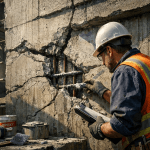
Construction Hazards are an unavoidable part of any building project, but with the right strategies, they can be effectively minimized. From high-rise developments to residential renovations, construction sites are inherently dynamic environments where risks evolve daily. Understanding these hazards and implementing proactive safety measures is essential for protecting workers, maintaining compliance, and ensuring project continuity.
Understanding the Nature of Construction Risks
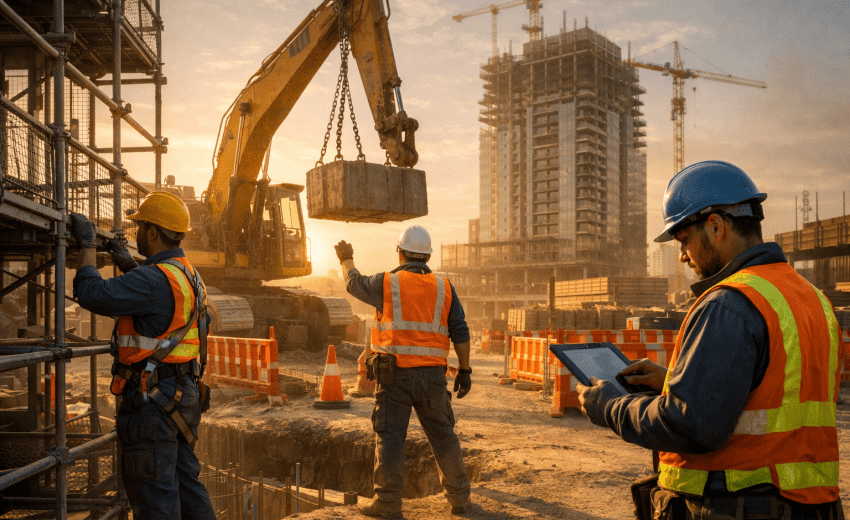
Construction sites involve heavy machinery, elevated work areas, electrical systems, and constant human activity. These factors create a high-risk environment where even minor negligence can lead to serious consequences. Identifying Construction Hazards early allows project managers to establish control measures before incidents occur and significantly reduce Construction Hazards on-site.
1. Falls from Height
Falls remain one of the leading causes of injuries in the construction industry. Workers operating on scaffolding, ladders, or rooftops are particularly vulnerable to Construction Hazards in elevated environments.
Prevention Methods:
- Install guardrails and safety nets
- Use personal fall arrest systems (PFAS)
- Conduct regular scaffold inspections
- Provide proper training on working at heights
Ensuring secure access points and enforcing the use of protective gear significantly reduces fall-related incidents.
2. Electrical Hazards
Live wires, exposed circuits, and temporary power setups pose serious electrical risks on-site.
Prevention Methods:
- Regular inspection of electrical systems
- Use of insulated tools and equipment
- Proper grounding of all electrical installations
- Lockout/tagout procedures during maintenance
Maintaining strict electrical safety protocols helps prevent shocks, burns, and potential fatalities.
3. Struck-by Objects
Falling tools, moving vehicles, or swinging equipment can cause severe injuries to workers.
Prevention Methods:
- Mandatory use of helmets and PPE
- Clearly marked exclusion zones
- Securing tools and materials at height
- Proper signaling and communication systems
A well-organized site layout and clear communication reduce the risk of such incidents.
4. Caught-in or Between Hazards
Workers can get trapped between machinery, materials, or collapsing structures.
Prevention Methods:
- Install machine guards
- Maintain safe distances from heavy equipment
- Provide training on hazard awareness
- Use lockout systems during equipment servicing
Proper supervision and adherence to safety protocols are critical in preventing these accidents.
5. Slips, Trips, and Falls
Uneven surfaces, debris, and wet conditions often lead to slips and trips on construction sites.
Prevention Methods:
- Maintain clean and organized work areas
- Ensure proper drainage systems
- Use anti-slip footwear
- Clearly mark hazardous zones
Good housekeeping practices play a vital role in reducing these everyday risks.
6. Exposure to Hazardous Substances
Construction materials such as chemicals, dust, and asbestos can pose long-term health risks and increase Construction Hazards if not properly managed.
Prevention Methods:
- Use appropriate respiratory protection
- Ensure proper ventilation systems
- Conduct regular air quality monitoring
- Provide Material Safety Data Sheets (MSDS)
Protecting workers from harmful exposure is essential for long-term occupational health.
7. Noise and Vibration Hazards
Continuous exposure to loud machinery and vibrations can lead to hearing loss and other health issues.
Prevention Methods:
- Provide hearing protection equipment
- Limit exposure time
- Use low-noise machinery where possible
- Conduct regular health check-ups
Monitoring noise levels and enforcing protective measures ensures worker well-being.
8. Fire and Explosion Risks
Flammable materials, gas leaks, and improper storage can lead to fire hazards and increase Construction Hazards on-site.
Prevention Methods:
- Proper storage of flammable substances
- Installation of fire extinguishers
- Regular fire safety drills
- Strict no-smoking policies in designated areas
Preparedness and awareness are key to managing fire-related risks effectively.
Building a Strong Safety Culture
Addressing Construction Hazards is not just about compliance—it’s about creating a culture of safety. Regular training sessions, toolbox talks, and safety audits help reinforce best practices and reduce Construction Hazards on-site. Leadership plays a crucial role in setting safety standards and ensuring that all workers follow them consistently.
Technology also contributes to safer construction environments. From wearable safety devices to AI-powered monitoring systems, modern solutions are transforming how risks are identified and managed, helping companies proactively control Construction Hazards and improve overall site safety.
Why Choose Charminar for Safer Construction Solutions
At Charminar, safety is embedded into every phase of the construction process, with a strong focus on identifying and minimizing Construction Hazards at every stage. Our team prioritizes risk assessment, compliance, and proactive hazard management to deliver projects that meet the highest safety standards. By combining expertise with advanced safety practices, Charminar ensures that every site operates efficiently while protecting its workforce from potential Construction Hazards.
Conclusion
Construction Hazards can never be entirely eliminated, but they can be effectively controlled through awareness, planning, and disciplined execution. By identifying risks early and implementing structured prevention methods, construction companies can safeguard their workforce, reduce downtime, and maintain project quality. A safe site is not just a regulatory requirement—it’s a foundation for long-term success.
Ready to Build with Confidence?
Get in touch with Charminar to learn how our project management expertise can streamline your next development.
📧 contact@bluediamondfm.com
📞 +971 56 705 4223
🌐 https://charminardubai.com/
Frequently Asked Questions (FAQ)
What are the most common construction hazards?
The most common hazards include falls from height, electrical risks, struck-by objects, and slips or trips on-site.
How can construction hazards be minimized?
They can be minimized through proper training, use of PPE, regular inspections, and strict adherence to safety protocols.
Why is PPE important in construction?
Personal Protective Equipment acts as the first line of defense against injuries and significantly reduces risk exposure.
How often should safety inspections be conducted?
Safety inspections should be carried out regularly—daily checks and detailed weekly audits are recommended.
What role does training play in construction safety?
Training ensures workers understand risks, follow procedures, and respond effectively in emergencies, reducing overall incidents.