Maintenance is the cornerstone of every long-lasting building. Whether you manage a commercial tower, a residential complex, or an industrial facility, one truth holds across every asset class: buildings that receive consistent, professional care outlive those that are neglected — often by decades. In this article, we explore why structured upkeep matters, which areas deserve the most attention, and how a proactive approach can save property owners significant money over time.
Why Building Maintenance Matters
Every structure, from the moment construction is complete, begins a slow process of wear. Concrete develops micro-cracks. Sealants dry out. HVAC systems accumulate dust and strain. Left unchecked, these small issues compound into expensive failures.
Proper maintenance interrupts that cycle. By addressing problems early — before they escalate — property managers protect the structural integrity of the building, ensure the safety of its occupants, and preserve the market value of the asset. Studies in the facilities management industry consistently show that a dollar spent on preventive upkeep saves between four and seven dollars in reactive repair costs.
Beyond the financial argument, there is a regulatory dimension. Many jurisdictions require buildings to meet minimum safety and compliance standards. Regular inspection and upkeep keeps properties within those requirements and avoids costly penalties or forced shutdowns.
Key Areas of Building Maintenance
A comprehensive maintenance programme covers multiple systems and components working in concert. The most critical areas include:
- Structural Elements — Foundations, load-bearing walls, columns, and beams must be inspected periodically for signs of stress, settlement, or corrosion. Early detection of structural concerns prevents catastrophic failure.
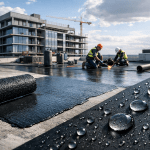
- Roofing and Waterproofing — Water is one of the most destructive forces a building faces. Roof membranes, flashing, gutters, and drainage systems require regular checks and prompt maintenance to prevent leaks that damage interior systems and finishes.
- Mechanical, Electrical, and Plumbing (MEP) — HVAC units, electrical panels, lifts, and plumbing networks all require scheduled servicing. Poorly maintained MEP systems are the leading cause of energy inefficiency and emergency callouts.
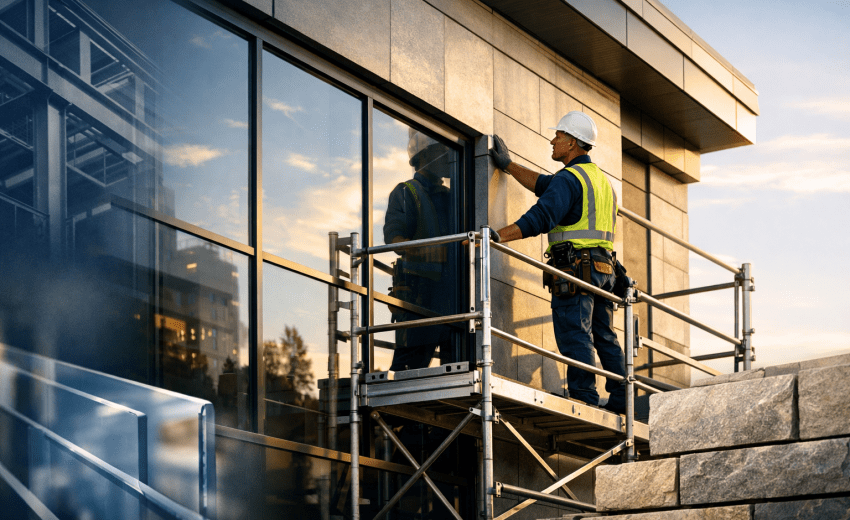
- Facades and External Cladding — External surfaces protect the building envelope. Cracks, failing joints, and deteriorating cladding allow moisture ingress and reduce thermal performance.
- Interior Finishes and Common Areas — Flooring, ceilings, paintwork, and communal spaces affect occupant satisfaction and tenant retention. Routine upkeep keeps these areas functional and presentable.
Preventive vs. Reactive Maintenance
There are two broad approaches property owners take: preventive and reactive. Reactive maintenance — fixing things only after they break — is the more expensive and disruptive option. Emergency repairs typically cost significantly more than planned work, and the downtime they cause can impact tenants and operations.
Preventive maintenance, by contrast, follows a structured schedule. Systems are inspected, serviced, and repaired before failure occurs. This approach keeps costs predictable, extends the service life of equipment and materials, and reduces the likelihood of emergency incidents.
The most sophisticated property teams have moved beyond simple prevention toward predictive maintenance — using sensor data and building analytics to anticipate failures before any visible sign appears. This data-driven approach represents the future of asset management and delivers even greater returns.
How Maintenance Extends Building Lifespan
The relationship between upkeep and longevity is direct and well-documented. Buildings that receive consistent maintenance routinely surpass their originally projected service life. A commercial structure designed to last 40 years may comfortably reach 60 or 70 years when properly maintained. Here is how that happens:
- Material Preservation — Regular cleaning, sealing, and coating protect materials from UV degradation, moisture, and chemical attack, dramatically slowing the rate of deterioration.
- Load Distribution — Timely structural maintenance ensures that loads continue to be distributed as designed, preventing localised stress concentrations that weaken the building over time.
- System Longevity — HVAC and mechanical systems that receive scheduled servicing run more efficiently, experience fewer breakdowns, and achieve lifespans well beyond manufacturer averages.
- Retained Value — A well-maintained building commands higher rents, lower vacancy rates, and stronger resale values, compounding the financial benefits of a disciplined maintenance programme.
Building a Maintenance Strategy That Works
Effective building maintenance does not happen by accident. It requires a written plan, clear ownership, adequate budget allocation, and reliable record-keeping. Here are the foundations of a strategy that delivers results:
- Asset Register — Document every major system and component with its installation date, expected service life, and maintenance requirements.
- Scheduled Inspections — Set a calendar for routine checks across all systems, adjusting frequency based on age, criticality, and manufacturer recommendations.
- Trusted Contractors — Build relationships with qualified, licensed tradespeople who understand your building and its history.
- Digital Records — Use a computerised maintenance management system (CMMS) to log all work orders, inspections, and costs. Accurate records support better decisions and demonstrate compliance.
- Budget Planning — Allocate maintenance funds annually, factoring in both routine servicing and a capital reserve for larger replacement projects.
When these elements are in place, maintenance moves from a reactive burden to a strategic advantage.
Conclusion
A building is one of the most significant long-term investments any organisation or individual can make. Protecting that investment requires a deliberate, consistent commitment to maintenance — not as an afterthought, but as a strategic priority. The evidence is clear: properties that are properly maintained last longer, perform better, cost less to operate, and retain greater value over time.
Whether you are reviewing your existing programme or building one from scratch, the principles are the same — plan ahead, act early, and keep detailed records. The return on that discipline, measured in reduced repairs, extended asset life, and enhanced occupant experience, is well worth the investment.
Ready to Build with Confidence?
Get in touch with Charminar to learn how our project management expertise can streamline your next development.
📧 contact@bluediamondfm.com
📞 +971 56 705 4223
🌐 https://charminardubai.com/
Frequently Asked Questions (FAQ)
How often should a building undergo a full maintenance inspection?
For most commercial and residential buildings, a comprehensive inspection should be conducted at least once per year. High-traffic facilities, older buildings, or those in harsh climates may benefit from bi-annual reviews. Individual systems such as HVAC units typically require quarterly servicing.
What is the most commonly neglected area of building maintenance?
Waterproofing and drainage are among the most frequently overlooked areas. Because water damage often develops slowly and out of sight, property managers may not notice deterioration until significant interior damage has already occurred. Regular roof and facade inspections can catch these issues early.
How much should a property owner budget for annual maintenance?
A widely used industry benchmark is between 1% and 4% of a property’s current replacement value per year. Older buildings, or those with complex mechanical systems, should budget toward the higher end of that range. Buildings with robust preventive programmes often find that consistent spending reduces total lifecycle costs substantially.
Can good maintenance actually add years to a building's life?
Absolutely. Documented case studies in facilities management show that proactive programmes can extend a building’s functional lifespan by 20 to 30 years beyond its original design life. The key is consistency — sporadic upkeep provides far less benefit than a structured, ongoing programme.
What is the difference between preventive and predictive maintenance?
Preventive maintenance follows a fixed schedule — servicing systems at regular intervals regardless of their current condition. Predictive maintenance uses real-time data from sensors and monitoring equipment to service systems only when indicators suggest a failure is approaching. Predictive maintenance can be more cost-efficient but requires an initial investment in technology and data infrastructure.