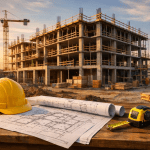
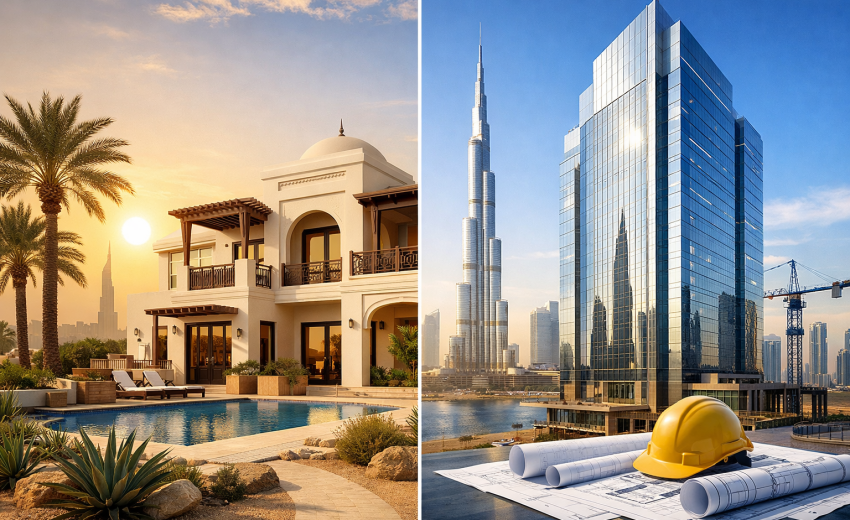
Construction in Dubai encompasses diverse project types, each with unique requirements, challenges, and specialized expertise. Understanding the fundamental differences between residential and commercial building projects helps property developers, investors, and clients make informed decisions when planning new developments across the UAE. From regulatory frameworks to material specifications, timeline expectations to budget considerations, residential and commercial construction diverge significantly in nearly every aspect of the building process within Dubai’s dynamic market.
Regulatory Requirements and Dubai Municipality Codes
One of the most significant distinctions between residential and commercial construction in Dubai lies in regulatory complexity and code compliance. Residential projects typically follow Dubai Municipality’s standardized building codes focused on safety, energy efficiency, and habitability for villas, townhouses, or apartment buildings. These regulations, while comprehensive and strictly enforced, remain relatively straightforward compared to commercial requirements.
Commercial construction faces substantially more complex regulatory scrutiny from Dubai Municipality and other authorities. Projects must comply with commercial building codes addressing fire safety systems per Dubai Civil Defence requirements, occupancy loads, accessibility requirements for people of determination, structural engineering for higher loads in extreme heat conditions, and specialized systems like commercial HVAC designed for desert climates, fire suppression, and emergency egress. Zoning regulations for commercial properties in Dubai involve detailed reviews of parking ratios, traffic impact on surrounding areas, environmental assessments, and compatibility with master-planned communities.
Permitting processes differ substantially as well. Residential permits through Dubai Municipality generally process faster with fewer departmental reviews, while commercial projects require approvals from multiple entities including Dubai Civil Defence, DEWA (Dubai Electricity and Water Authority), RTA (Roads and Transport Authority), and relevant free zone authorities. This regulatory difference significantly impacts project timelines and planning requirements in Dubai’s construction landscape.
Project Scale, Timeline, and Complexity
Residential construction in Dubai typically operates on smaller scales with shorter timelines. Luxury villas may complete within 6-10 months, while mid-rise residential buildings finish within 18-24 months depending on size and developer efficiency. Dubai’s construction sector benefits from year-round building activity, though extreme summer heat (June-August) can slow outdoor work. The scope remains relatively contained, involving standard layouts, straightforward mechanical systems, and predictable construction sequences.
Commercial projects in Dubai operate on entirely different scales befitting the emirate’s ambition. Office towers in Business Bay, retail centers in Downtown Dubai, hotels along Sheikh Zayed Road, and industrial facilities in Jebel Ali often span years from conception to completion. A mid-size commercial building might require 24-36 months, while iconic developments like those in Dubai Marina or Palm Jumeirah can extend 4-6 years. The complexity multiplies exponentially—coordinating multiple contractors, integrating sophisticated building systems meeting LEED or Estidama requirements, accommodating tenant improvements, and managing phased occupancies.
Construction sequencing also differs substantially. Residential projects follow linear progressions: piling/foundation (critical in Dubai’s sandy soil conditions), structural concrete or block work, MEP rough-ins, finishes, and landscaping. Commercial developments often require concurrent workflows with multiple trades operating simultaneously across different building sections, demanding sophisticated coordination and project management expertise familiar with Dubai’s fast-paced construction environment.
Materials, Methods, and Structural Engineering
Material selection and construction methodologies in Dubai diverge between sectors based on performance requirements, climate challenges, and building codes. Residential construction predominantly uses concrete block and reinforced concrete construction—wood framing is rare in the UAE due to termite concerns and fire regulations. Concrete, cement blocks, and steel reinforcement dominate residential projects, with material choices prioritizing heat resistance, durability in harsh desert conditions, and cost-effectiveness.
Commercial construction in Dubai employs heavy-duty materials engineered for greater loads, extreme temperatures, and prestige aesthetics. Steel framing, high-strength reinforced concrete, precast concrete panels, curtain wall systems, and structural steel dominate commercial projects. These materials accommodate open floor plans, heavy equipment loads, multi-story heights while meeting stringent fire ratings and structural performance standards in temperatures exceeding 50°C. Foundation systems for commercial buildings involve deep piling through sand layers to reach load-bearing strata—essential in Dubai’s challenging soil conditions.
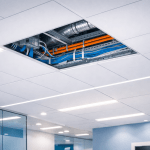
The mechanical, electrical, and plumbing (MEP) systems differ dramatically in scale and sophistication. Residential MEP systems serve predictable loads with standardized components, though all Dubai projects require robust air conditioning given the climate. Commercial systems must accommodate variable occupancy, specialized equipment, district cooling connections in many areas, redundant systems for critical operations, and sophisticated building automation platforms. A commercial HVAC system for Dubai’s climate alone may cost more than entire residential villa projects.
Budget Considerations and Financial Structures
Cost structures differ substantially between residential and commercial construction in Dubai. Residential projects typically cost AED 600-1,500 per square foot (approximately $165-$410 USD) depending on location, finishes, and developer reputation, with relatively predictable budgets. Areas like Arabian Ranches or Dubai Hills Estate command different pricing than Jumeirah or Palm Jumeirah developments. Financing often involves developer payment plans, UAE bank mortgages, or cash purchases common in the emirate.
Commercial construction costs in Dubai range from AED 800-2,500+ per square foot ($220-$680+ USD), with substantial variations based on building type, location, and specialized systems. Grade-A office towers in DIFC, luxury hotels in Downtown Dubai, and medical facilities command premium pricing due to complex requirements and prestigious locations. Financing involves sophisticated commercial loans from UAE and international banks, investor capital from regional and global sources, REIT structures, or development partnerships common in Dubai’s investment landscape. Payment structures utilize draw schedules tied to completion milestones certified by project consultants.
Commercial projects also involve fit-out allowances for tenants, phased construction financing aligned with off-plan sales, and performance bonds required by Dubai developers and authorities—elements rarely appearing in residential work. The financial risk profiles differ substantially, with commercial developments requiring larger capital reserves and longer return-on-investment horizons in Dubai’s competitive market.
Workforce Specialization and Contractor Expertise
The construction workforce serving each sector in Dubai possesses different specializations and certifications. Residential contractors focus on villa and apartment construction techniques, architectural details meeting Dubai Municipality standards, and customer service for individual property owners and developers. Teams include diverse nationalities common in UAE construction, with general contractors often managing multiple concurrent projects across Dubai’s expanding residential communities.
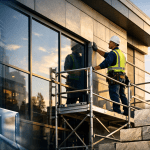
Commercial contractors in Dubai maintain specialized divisions for different building types—hospitality (critical given Dubai’s tourism focus), healthcare, industrial, retail, and office towers—each requiring unique expertise. Project teams include dedicated project managers, site engineers, safety officers meeting Dubai Municipality requirements, and quality control specialists. Subcontractors hold specialized certifications for commercial systems: licensed fire protection contractors approved by Dubai Civil Defence, certified elevator installers for high-rise buildings, MEP contractors experienced with district cooling systems, and specialists in curtain wall installation for Dubai’s iconic towers.
Insurance requirements, contractor classification, and safety protocols also differ dramatically. Commercial contractors registered with Dubai Municipality carry substantially higher liability coverage, maintain comprehensive safety programs complying with UAE labor law and international standards, and demonstrate financial stability through bank guarantees and contractor classifications (Grade 1-6) that would be excessive for smaller residential builders.
Conclusion
Understanding the fundamental differences between residential and commercial construction in Dubai ensures project success by aligning expectations with the emirate’s regulatory environment and market realities. Whether developing a luxury villa in Emirates Hills or planning a commercial tower in Business Bay, partnering with contractors possessing sector-specific expertise and Dubai Municipality approvals delivers superior results. Recognize these distinctions when planning your next project in Dubai or across the UAE, and select construction professionals whose experience, regulatory knowledge, and resources match your specific building sector requirements in this dynamic market.
Ready to Build with Confidence?
Get in touch with Charminar to learn how our project management expertise can streamline your next development.
📧 contact@bluediamondfm.com
📞 +971 56 705 4223
🌐 https://charminardubai.com/
Frequently Asked Questions (FAQ)
Can a residential contractor in Dubai handle commercial projects or vice versa?
While some skills transfer between sectors, attempting cross-sector work without proper expertise risks serious problems in Dubai’s strictly regulated environment. Commercial projects require specialized knowledge of complex Dubai Municipality codes, Dubai Civil Defence regulations, sophisticated systems integration, and compliance requirements that residential contractors typically lack. Contractor classification with Dubai Municipality also differs—residential contractors may hold lower grades insufficient for major commercial work. Similarly, residential contractors possess customer service skills and villa construction expertise that large commercial builders may not emphasize. Always hire contractors with proven Dubai experience, appropriate Municipality classification, and a portfolio in your specific project type to ensure code compliance and quality results.
Why do commercial construction projects in Dubai take longer than residential ones?
Commercial timelines in Dubai extend due to multiple factors: complex regulatory approvals from Dubai Municipality, DEWA, RTA, and Dubai Civil Defence; sophisticated engineering requiring extensive design development and approval; larger physical scale demanding more construction time; intricate MEP systems including district cooling connections requiring careful coordination; specialized materials often imported with longer lead times; and phased completion accommodating tenant fit-outs common in Dubai’s lease market. Additionally, projects face challenges from extreme summer heat affecting outdoor work productivity, extensive testing and commissioning of complex building systems, and stringent quality requirements from Dubai developers maintaining the emirate’s construction reputation.
What are the main cost drivers making Dubai commercial construction more expensive?
Dubai commercial projects incur higher costs through multiple factors: structural systems engineered for extreme heat and seismic considerations; sophisticated MEP systems with redundant chillers and district cooling; comprehensive fire protection meeting Dubai Civil Defence standards; high-quality curtain walls and facades maintaining Dubai’s architectural standards; accessibility compliance for people of determination; imported premium materials and finishes; extensive permitting and consultant fees; specialized labor including expatriate expertise; longer project timelines increasing overhead; performance guarantees and insurance required by Dubai developers; and premium location costs in areas like DIFC, Downtown Dubai, or Dubai Marina. The AED per-square-foot cost reflects these enhanced requirements and Dubai’s position as a global construction hub.
How does Dubai's climate affect construction material choices?
Dubai’s extreme climate significantly influences material selection for both sectors. Concrete and cement blocks dominate over wood framing due to superior heat resistance, fire safety, and termite prevention—critical in UAE conditions. All projects require robust insulation and reflective roof coatings to combat temperatures exceeding 50°C. Windows must feature double-glazing with low-E coatings meeting Dubai Municipality energy codes. Commercial buildings utilize high-performance curtain wall systems engineered for thermal expansion in extreme heat. HVAC systems require substantially higher capacity than temperate climates. Exterior materials must resist UV degradation, sandstorm abrasion, and thermal cycling. These climate-driven specifications increase costs but ensure long-term performance in Dubai’s challenging environment.
What returns can investors expect from residential vs. commercial construction in Dubai?
Investment returns in Dubai depend on location, project quality, market timing, and developer reputation rather than sector alone. Residential development in high-demand areas like Dubai Hills Estate or Palm Jumeirah offers strong rental yields (4-7%) and capital appreciation potential, with faster project turnover and broader buyer markets, but faces supply volatility and off-plan market fluctuations. Commercial properties in prime locations like DIFC or Business Bay provide stable long-term income through multi-year leases (6-9% yields), service charge income, and institutional investor appeal, but require larger capital, longer development periods, and specialized management. Dubai’s tax-free environment and freehold zones benefit both sectors. Consult UAE-licensed financial advisors and conduct thorough feasibility studies before committing capital to either residential or commercial construction investments in Dubai’s dynamic market.