Table of Contents
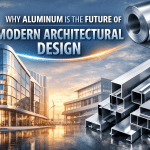
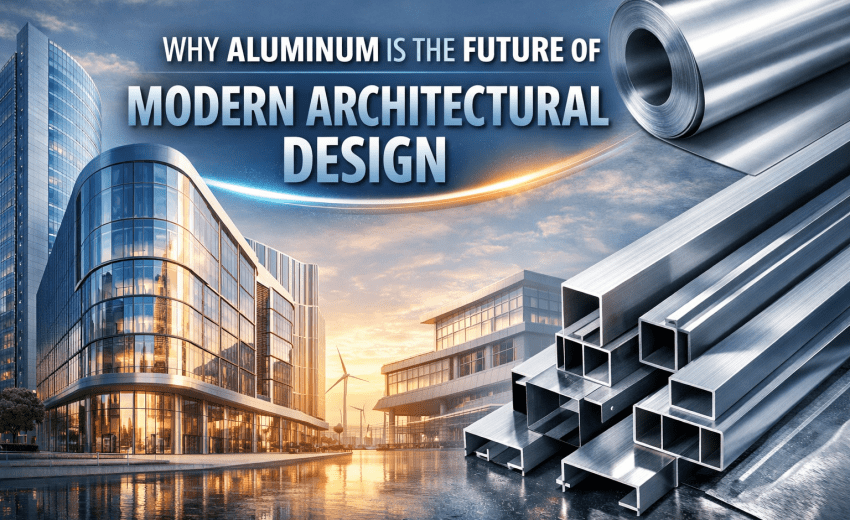
Aluminum is reshaping how architects, developers, and builders approach modern design. As cities evolve and sustainability, efficiency, and aesthetics take center stage, this material has emerged as a preferred solution for forward-thinking architectural projects. From sleek facades to energy-efficient structures, its influence is evident across residential, commercial, and industrial developments worldwide.
The Shift Toward Smarter Materials
Modern architecture is no longer defined solely by appearance. Performance, environmental responsibility, and lifecycle cost are now equally important. Aluminum meets these expectations by offering a rare balance of strength, lightness, and adaptability. Architects increasingly seek materials that allow creative freedom without compromising structural integrity, and this is where the material excels.
Unlike traditional construction metals, it provides high strength-to-weight performance, enabling bold designs while reducing load on foundations. This makes it particularly valuable in high-rise buildings and large-span structures.
Sustainability and Environmental Responsibility
Sustainability is a defining pillar of contemporary architectural design. Aluminum stands out due to its exceptional recyclability. It can be recycled repeatedly without losing its core properties, significantly reducing environmental impact over a building’s lifecycle.
For developers in urban areas like Charminar, where responsible development is becoming a regulatory and social priority, choosing recyclable materials supports green building certifications and long-term environmental goals. Lower carbon footprints and reduced waste make this material a responsible investment for the future.
Design Flexibility and Aesthetic Appeal
Architectural expression has evolved toward clean lines, minimalist forms, and dynamic façades. Aluminum supports this evolution through its versatility in fabrication and finishing. It can be extruded, anodized, powder-coated, or textured to achieve a wide range of visual outcomes.
Whether used in curtain wall systems, louvers, window frames, or decorative panels, it complements both ultra-modern and transitional design styles. This flexibility allows architects to maintain visual consistency while adapting to functional requirements.
Durability and Low Maintenance
Buildings are long-term assets, and material durability directly impacts operational costs. Aluminum naturally resists corrosion, moisture damage, and UV exposure, making it ideal for diverse climates. Unlike steel or wood, it does not rust, warp, or rot under normal environmental conditions.
This durability translates into reduced maintenance and longer service life, which is especially valuable for commercial buildings and public infrastructure where downtime and repair costs must be minimized.
Energy Efficiency and Performance
Energy-efficient design is no longer optional. Aluminum systems play a crucial role in improving building performance when combined with modern insulation and glazing technologies. Thermally broken profiles and high-performance window systems help regulate indoor temperatures, reducing reliance on artificial heating and cooling.
In hot climates, reflective finishes further contribute to thermal comfort by minimizing heat absorption, supporting energy-saving strategies without sacrificing aesthetics.
Innovation and Future Applications
The future of architecture is closely tied to innovation. Aluminum continues to evolve through advanced alloys and smart manufacturing techniques. Its compatibility with prefabrication and modular construction aligns with the industry’s move toward faster, more precise building methods.
As smart buildings and adaptive façades become more common, this material’s ability to integrate with sensors, automation, and renewable energy systems positions it as a cornerstone of next-generation architectural solutions.
Conclusion
At Charminar, we understand that material selection defines the success of any architectural project. Our commitment to quality construction and forward-looking design principles is why we advocate for solutions that combine performance, sustainability, and visual excellence. By embracing innovative materials, we help our clients build structures that remain relevant, efficient, and visually compelling for decades.
Ready to Build with Confidence?
Get in touch with Charminar to learn how our project management expertise can streamline your next development.
📧 contact@bluediamondfm.com
📞 +971 56 705 4223
🌐 https://charminardubai.com/
Frequently Asked Questions (FAQ)
Why is this material preferred over traditional steel or wood?
It offers a superior balance of strength, weight, durability, and low maintenance, making it more adaptable to modern design needs.
Is Aluminum suitable for residential projects?
Yes. It is widely used in windows, doors, pergolas, and façade elements due to its durability, aesthetics, and energy efficiency.
Does it perform well in hot or coastal climates?
Absolutely. Its corrosion resistance and thermal adaptability make it ideal for challenging environmental conditions.
Is it a cost-effective choice long term?
While initial costs may vary, reduced maintenance, longevity, and energy savings result in strong long-term value.
How does Charminar ensure quality in modern architectural projects?
Charminar follows strict material standards, collaborates with experienced professionals, and focuses on sustainable, future-ready construction practices.