
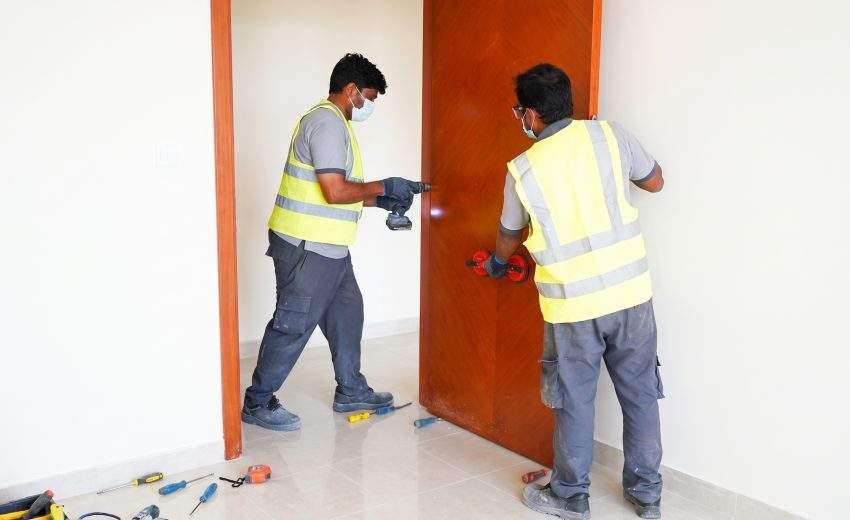
Walk into most Dubai apartments and villas and you’ll find the same tension playing out: an awkward alcove that no standard wardrobe quite fits, a kitchen island that needs to match a specific layout, or a reading nook that only makes sense with furniture built to its exact dimensions. At some point, nearly every homeowner furnishing a Dubai property faces the same decision — commission custom joinery, or buy ready-made.
Neither option is universally better. This guide breaks down how custom joinery actually compares to ready-made furniture across cost, fit, timeline, durability and resale value, so you can make the right call for your specific space rather than defaulting to whichever option you’ve heard of more.
What "Custom Joinery" Actually Means
Custom joinery refers to furniture and fitted elements — wardrobes, kitchen cabinetry, TV units, bookshelves, window seats, bar units, wall panelling — designed and built specifically for your space, your dimensions and your material preferences, typically by a carpenter or joinery workshop working from drawings or a site survey. Unlike flat-pack or showroom furniture, custom joinery is made once, for one location, and generally isn’t designed to be moved or resold separately from the property.
Ready-made furniture, by contrast, is manufactured in standard sizes and finishes, sold through retail or online, and designed to fit a general range of spaces rather than any one specific room.
Cost Comparison: Custom Joinery vs Ready-Made
| Factor | Custom Joinery | Ready-Made |
|---|---|---|
| Upfront cost | Higher, priced per project | Lower, fixed retail pricing |
| Design/consultation fees | Often included or charged separately | None |
| Delivery and installation | Usually included in the quote | Often a separate delivery fee |
| Long-term value | Built to last, often higher resale appeal for the property | Variable, depends on brand and material quality |
| Price transparency | Requires itemised quotation to compare fairly | Clear, listed pricing |
Custom joinery costs more upfront because you’re paying for design time, bespoke materials cut to size, and labour-intensive craftsmanship rather than factory-line production. That said, “custom” doesn’t automatically mean “expensive” — a simply detailed built-in wardrobe in standard materials can cost roughly the same as a mid-range ready-made equivalent, while elaborate detailing, premium timber veneers or complex mechanisms push the price considerably higher.
Fit and Space Utilisation
This is where custom joinery delivers its clearest advantage. Dubai properties, particularly older buildings and villas with non-standard layouts, frequently have:
- Sloped ceilings or structural columns interrupting a wall
- Awkward alcoves and recesses that standard furniture dimensions don’t accommodate
- Unusually high or low ceiling heights
- Irregular room shapes where a rectangular ready-made unit wastes significant space
Custom joinery is built to the millimeter for these exact conditions, meaning a fitted wardrobe can run floor-to-ceiling into a sloped recess that a standard unit simply couldn’t occupy, capturing storage space that would otherwise go to waste. Ready-made furniture, however well chosen, is always a compromise against the space it’s placed into — close enough, rarely exact.
Timeline: How Long Each Option Takes
Ready-made furniture: can typically be purchased, delivered and set up within days to a couple of weeks, depending on stock availability. This makes it the clear choice when you’re moving in quickly or working to a tight deadline.
Custom joinery: involves a longer process: initial consultation and site measurement, design and material selection, client approval, manufacturing, and installation. A straightforward built-in wardrobe might take a few weeks from order to installation; a full kitchen or multi-room joinery package can take considerably longer, particularly if finishes need to be sourced or if the design goes through several revision rounds.
If your move-in date is fixed and close, ready-made solutions (with custom pieces added later for specific problem areas) is often the more realistic approach.
Durability and Build Quality
Durability depends more on material quality and construction method than on whether a piece is custom or ready-made, but there are general tendencies worth knowing:
Custom joinery: typically uses solid timber, higher-grade plywood, and joinery techniques (dovetails, mortise-and-tenon, properly reinforced carcasses) that outlast mass-produced flat-pack construction, particularly under Dubai’s air-conditioned, low-humidity indoor conditions, which can cause lower-grade materials to warp or delaminate over time.
Ready-made furniture: quality varies enormously by brand and price point. Premium ready-made brands can rival custom joinery in durability; budget flat-pack furniture, built with particle board and cam-lock fittings, generally has a shorter functional lifespan, especially for frequently used pieces like wardrobes and kitchen cabinetry.
If longevity matters more than upfront cost — for a forever home, a long-term rental investment, or simply avoiding replacement costs down the line — custom joinery in quality materials tends to represent better value over a 10–15 year horizon, even accounting for the higher initial outlay.
Customisation and Personal Style
Custom joinery offers genuine creative control: specific wood species and finishes, integrated lighting, exact hardware choices, matching cabinetry across multiple rooms, and design details that reflect your taste rather than a manufacturer’s standard catalogue. For homeowners with a clear aesthetic vision, or those trying to match existing architectural details, this level of control is difficult to replicate with ready-made options.
Ready-made furniture has expanded its range considerably, and many brands now offer modular systems with some configuration flexibility, but genuine customisation — a specific dimension, a particular timber, an integrated detail — remains the domain of bespoke joinery.
Impact on Property Value
For Dubai homeowners planning to sell or rent out a property, built-in custom joinery can be a meaningful selling point, particularly in villas and larger apartments where buyers and tenants often value well-executed fitted storage and kitchen cabinetry as part of the property itself rather than something they need to source separately. Ready-made furniture, by contrast, typically leaves with the owner or tenant, meaning a property is shown and valued without it.
This is worth weighing if you’re furnishing an investment property or a home you plan to sell within several years — custom joinery contributes to the property’s value in a way ready-made furniture generally doesn’t.
When Custom Joinery Makes the Most Sense
- Awkward alcoves, sloped ceilings or non-standard room dimensions
- Wanting to maximise storage in a smaller apartment
- A clear, specific aesthetic vision that off-the-shelf options can’t match
- Furnishing a long-term home rather than a short-term rental
- Wanting cohesive, matching cabinetry across multiple rooms
- Adding value ahead of a future sale or rental
When Ready-Made Furniture Makes the Most Sense
- A tight move-in timeline
- A standard-dimension room where off-the-shelf pieces fit well
- A limited or flexible budget
- Furniture you may want to take with you when you move
- Testing a layout or style before committing to a permanent built-in solution
- Short-term rentals or properties you don’t plan to stay in long-term
A Practical Hybrid Approach
Many Dubai homeowners don’t choose exclusively one or the other. A common and often cost-effective approach is commissioning custom joinery specifically for problem areas — an awkward alcove, a kitchen layout, a built-in wardrobe wall — while furnishing the rest of the home with ready-made pieces. This captures the fit and durability benefits of custom work where they matter most, without the cost and timeline of commissioning every piece of furniture in the home.
Questions to Ask a Custom Joinery Provider Before Committing
- What materials are included in the quoted price, and what are the upgrade options?
- What is the realistic timeline from design approval to installation?
- Can you provide examples of completed work in similar Dubai properties?
- What warranty do you offer on materials and workmanship?
- How are design changes handled once manufacturing has started?
- Does the quotation include delivery and installation, or are these separate?
- What happens if site measurements change (common in new-build handovers)?
Find the Right Fit for Your Home
Choosing between custom joinery and ready-made furniture isn’t about which is objectively better — it’s about matching the option to your space, timeline, budget and how long you plan to stay. For awkward layouts, long-term homes and a cohesive design vision, custom joinery is usually worth the investment. For speed, flexibility and standard-dimension spaces, ready-made furniture remains a smart, practical choice.
Book a free design consultation with the Charminar joinery team, They will assess your space, advise honestly on where custom work adds genuine value, and provide a transparent quotation for your Dubai home.
📞 Call / WhatsApp: 056 705 4223 | 📧 Email: care@charminardubai.com| 🌐 Request a quote: https://charminardubai.com/contact-us/
Ready to Build with Confidence?
Get in touch with Charminar to learn how our project management expertise can streamline your next development.
📧 contact@bluediamondfm.com
📞 +971 56 705 4223
🌐 https://charminardubai.com/
Frequently Asked Questions (FAQ)
Is custom joinery always more expensive than ready-made furniture?
Generally yes for upfront cost, though the gap varies significantly depending on complexity and materials. A simple built-in wardrobe in standard materials can be comparable to a mid-range ready-made equivalent, while elaborate custom work costs considerably more.
How long does custom joinery typically take in Dubai?
A single built-in piece often takes a few weeks from design approval to installation; multi-room projects can take longer. Always get a realistic timeline in writing before committing, particularly if you have a fixed move-in date.
Does custom joinery add value when selling a property in Dubai?
Well-executed built-in joinery can be a meaningful selling point, particularly in villas and larger apartments, since fitted storage and cabinetry are often valued as part of the property rather than something a buyer needs to source separately.
Can I mix custom joinery and ready-made furniture in the same home?
Yes, and many homeowners do exactly this, commissioning custom pieces for awkward spaces or specific design priorities while furnishing the rest of the home with ready-made furniture to manage cost and timeline.
What materials should I ask about for custom joinery in Dubai's climate?
Given the indoor air-conditioning and low humidity typical of Dubai homes, ask about moisture-resistant and warp-resistant materials and finishes, since poor-quality materials can behave differently indoors here than in more humid climates.