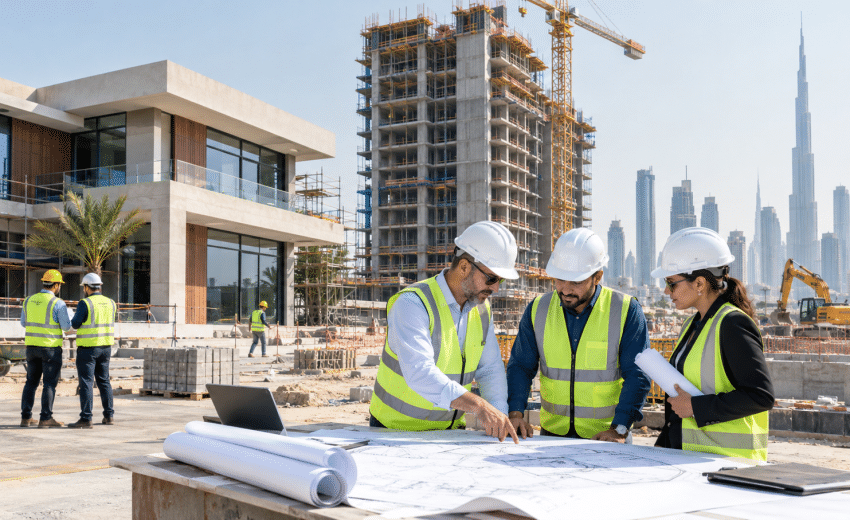
Building Contracting in Dubai plays an important role in developing residential, commercial, and industrial properties across the emirate. From constructing modern villas and renovating apartments to developing offices and commercial facilities, professional construction services help property owners turn their plans into functional spaces. Choosing reliable Building Contractors in Dubai is essential for managing budgets, maintaining quality, following applicable regulations, and completing projects efficiently. A trusted Building Contracting Company in Dubai can coordinate different construction activities, from initial planning and material selection to project execution and final inspections.
For homeowners and businesses, understanding how the building contracting process works can make construction projects easier to manage. This guide explains the essential steps, services, and considerations to help you make informed decisions when planning your next construction or renovation project.
1. What Is Building Contracting?
Building contracting involves managing and carrying out construction, renovation, and related property development activities. These services can include structural work, masonry, plastering, flooring, painting, carpentry, electrical installations, plumbing, and other building-related requirements.
A professional contractor coordinates workers, materials, equipment, subcontractors, and project schedules to ensure that work follows the agreed specifications. Depending on the project’s scope, the contractor may also coordinate with architects, engineers, consultants, and relevant authorities.
For property owners, working with an experienced contractor provides a more organized approach to construction. Instead of coordinating multiple trades independently, clients can benefit from a structured process with defined responsibilities, timelines, and quality expectations.
2. Common Building Contracting Services in Dubai
Dubai’s residential and commercial property sectors require a wide range of construction and maintenance solutions. Understanding the available services helps property owners identify the right support for their projects.
Residential Construction and Renovation
Residential services include villa construction, home extensions, apartment renovations, kitchen upgrades, bathroom remodeling, and interior improvements. Contractors help homeowners improve functionality, update outdated spaces, and address property requirements.
Commercial Construction
Commercial projects may involve office construction, retail fit-outs, workspace modifications, and improvements to business premises. These projects require careful coordination to meet operational needs, safety requirements, and agreed completion schedules.
Civil and Structural Works
Civil and structural activities may include concrete work, blockwork, foundations, structural modifications, and other essential construction tasks. Depending on the project, these activities require suitable technical supervision, approved designs, and compliance with applicable building requirements.
Finishing and Interior Works
Finishing services include flooring, painting, ceiling installation, carpentry, partitioning, and related interior improvements. Professional finishing helps create attractive, practical spaces while supporting durability and ease of maintenance.
Selecting services based on your property’s condition, intended use, and budget can help ensure that the project meets your expectations.
3. How to Choose the Right Building Contractor
Selecting the right contractor is one of the most important decisions in any construction project. The right choice can help reduce delays, improve communication, and prevent avoidable expenses.
Consider the following factors before making a decision:
- Experience and project portfolio: Review completed projects that are similar in size and scope to your requirements.
- Licensing and approvals: Verify that the contractor holds the appropriate trade licence and permissions for the proposed work.
- Transparent quotations: Request a detailed quotation covering labour, materials, project scope, exclusions, and potential additional charges.
- Communication: Choose a contractor who provides clear updates and responds to questions promptly.
- Quality standards: Ask about material specifications, workmanship checks, and inspection procedures.
- References and reputation: Where possible, review client feedback and request relevant references.
When comparing Building Contractors in Dubai, avoid making a decision based solely on the lowest quotation. A detailed proposal with clear deliverables, realistic timelines, and defined responsibilities provides a stronger basis for comparison.
Property owners should also review the applicable registration and licensing requirements before appointing a contractor. Dubai’s official legislation includes provisions concerning building quality, safety, and construction activities. For further information, consult the Dubai Government’s Law No. (3) of 2026 concerning the Quality and Safety of Buildings.
4. Understanding Permits and Building Regulations
Construction and renovation projects in Dubai may require permits, technical approvals, inspections, or other permissions depending on the property, location, and type of work.
Before starting a project, establish which approvals apply and who is responsible for obtaining them. Requirements can vary between authorities and development areas, including projects managed by Dubai Municipality, relevant free-zone authorities, and master developers.
Structural changes, extensions, and modifications affecting building systems may involve additional technical review. Property owners should not assume that all interior changes can proceed without approval.
Dubai’s building design requirements are addressed by the official Dubai Building Code legislation. The decree establishes a standard building code for applicable building designs, supporting public health, safety, accessibility, and sustainability. Property owners should consult the relevant authority to confirm current permit and approval requirements for their specific project.
A qualified contractor can help coordinate documentation and communicate with the relevant parties. However, property owners should confirm the specific requirements for their project before work begins.
Following applicable regulations supports safer construction, helps prevent unauthorized modifications, and reduces the risk of costly interruptions.
5. Planning Your Construction Budget
A realistic budget is essential for keeping construction projects under control. Before work starts, identify the project’s main expenses and agree on the scope with your contractor.
Typical cost components include:
- Labour and specialist subcontractors
- Building materials and finishing products
- Design, engineering, and consultancy services
- Permits, approvals, and inspection-related costs where applicable
- Equipment, transportation, and waste disposal
- Testing, finishing, and final handover activities
Request an itemized quotation so you can understand what is included and excluded. Clarify how variations, unexpected site conditions, and additional work will be priced and approved.
It is also sensible to maintain a contingency allowance for unforeseen expenses. The appropriate amount depends on the project’s complexity, property condition, and level of design development.
Regular cost reviews and written approval of changes can help homeowners and businesses avoid misunderstandings and maintain better financial control.
6. Why Quality and Safety Matter
Construction quality affects a property’s durability, functionality, and long-term maintenance requirements. Using suitable materials, following approved drawings, and applying correct installation methods are important throughout the project.
Professional project management should include regular site inspections, coordination between trades, documentation of completed work, and timely resolution of defects. Electrical, plumbing, structural, and other specialist activities should be completed by appropriately qualified personnel.
Construction site safety is equally important. Under Dubai Decree No. (19) of 2025 concerning Safety in Construction Works, contractors and engineering consultancy firms must comply with applicable construction safety rules, standards, guidelines, and obligations. These requirements support the protection of workers, properties, and others affected by construction activities.
Construction sites should have appropriate risk controls, protective equipment, safe access arrangements, and procedures that meet applicable requirements. For commercial properties, effective planning can also help reduce disruption to employees, customers, and daily operations. For residential properties, good coordination helps maintain a cleaner, safer, and more organized working environment.
A reliable contractor should be able to explain its approach to quality control, site safety, progress reporting, and defect resolution before the project begins.
7. The Building Contracting Process: From Planning to Handover
Understanding the stages of a construction project helps clients know what to expect and when decisions are required.
Step 1: Initial consultation
Discuss your requirements, preferred design, budget, site conditions, and expected completion date.
Step 2: Site assessment and planning
The project team evaluates the property, identifies technical considerations, and establishes the proposed scope of work.
Step 3: Quotation and agreement
Review the pricing, payment schedule, materials, responsibilities, milestones, and contractual terms before signing the agreement.
Step 4: Approvals and preparation
Obtain the necessary permissions and arrange materials, labour, equipment, and site preparations.
Step 5: Construction and monitoring
Work proceeds according to the agreed programme, with progress reviews and quality inspections throughout the project.
Step 6: Final inspection and handover
The completed work is checked against the agreed specifications. Outstanding defects are documented and addressed, and relevant handover documents are provided.
For additional guidance on building quality and completion, consult Dubai Law No. (3) of 2026 concerning the Quality and Safety of Buildings. The law addresses building quality, safety, and completion-related requirements. The necessary documentation and inspection process should be confirmed with the competent authority for each project.
Maintaining clear communication at every stage helps keep the project aligned with the client’s expectations.
8. Why Choose Charminar Contracting L.L.C.?
Choosing a contractor that understands your project requirements is essential for achieving a successful outcome. Charminar Contracting L.L.C. offers contracting solutions for property owners and businesses seeking professional construction and property improvement services.
Whether you are planning a residential upgrade, commercial refurbishment, or other building-related project, discussing your requirements with an experienced team can help establish a practical scope of work.
Before appointing any contractor, clients should review the proposed services, relevant experience, licensing, quotation details, project schedule, and quality procedures. Clear expectations and a well-defined agreement create a stronger foundation for cooperation throughout the project.
If you are planning a construction or renovation project, contact Charminar Contracting L.L.C. to discuss your requirements and explore suitable solutions for your property.
Conclusion
Building a successful property project requires careful planning, realistic budgeting, appropriate approvals, quality materials, and effective coordination. By understanding the contracting process and evaluating contractors carefully, homeowners and businesses can make better decisions and reduce unnecessary complications.
When planning your next project, prioritize clear communication, transparent pricing, regulatory compliance, and documented quality checks. Charminar Contracting L.L.C. can be a starting point for discussing your building and property improvement requirements in Dubai.
Ready to Build with Confidence?
Get in touch with Charminar to learn how our project management expertise can streamline your next development.
📧 contact@bluediamondfm.com
📞 +971 56 705 4223
🌐 https://charminardubai.com/
Frequently Asked Questions (FAQ)
1. What does building contracting include in Dubai?
Building contracting may include new construction, structural and civil works, property renovation, interior finishing, and coordination of specialist trades. The exact services depend on the contractor’s licence and project scope.
2. How do I choose a reliable building contractor in Dubai?
Check the contractor’s licence, relevant experience, previous projects, client references, quotation, proposed schedule, and quality and safety procedures before making a decision.
3. Do construction projects in Dubai require permits?
Some construction and renovation activities require permits or approvals. Requirements depend on the type of work, property location, and relevant authority. Confirm the applicable requirements before starting.
4. What affects building contracting costs?
Costs depend on project size, design complexity, material choices, labour requirements, site conditions, approvals, and finishing specifications. A detailed quotation helps clarify the expected expenses.
5. How long does a building project take?
Project duration varies according to the scope, size, complexity, approval process, material availability, and site conditions. Contractors should provide a realistic schedule with agreed milestones.