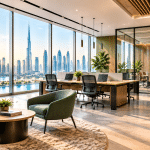
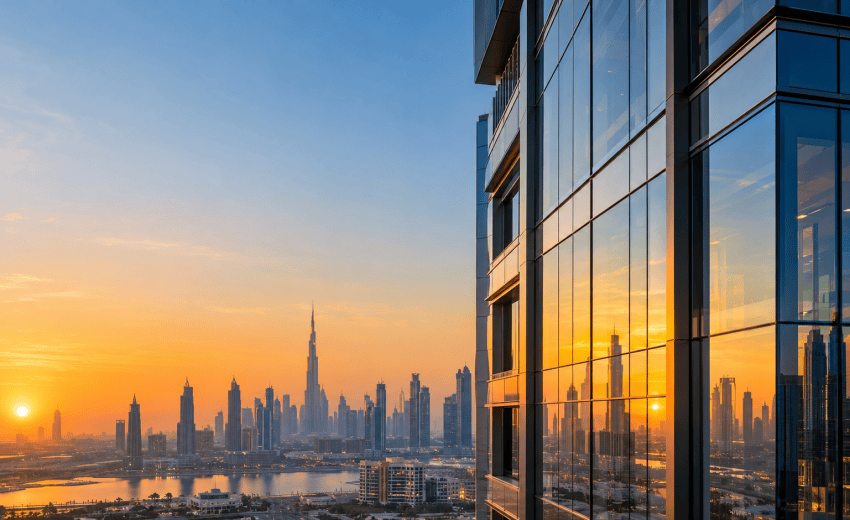
Glass and Aluminium Installations have become a defining feature of Dubai Buildings, from office towers along Sheikh Zayed Road to contemporary villas and retail developments. Together, glass panels and aluminium frames bring in natural light, perform well in extreme heat, and deliver the clean, modern look the city is known for. For developers, consultants, and property owners, understanding the real benefits of these systems leads to smarter design and investment decisions.
Charminar Contracting L.L.C has served the UAE construction market since 2003. In this guide, we explain why Glass and Aluminium Installations suit the climate, regulations, and expectations of modern Dubai Buildings, and what to consider before you begin.
Why Glass and Aluminium Installations Suit Dubai's Climate
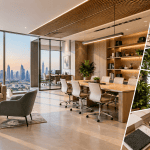
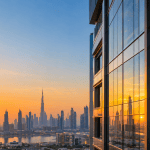
Dubai’s long, hot summers make the building envelope one of the most important parts of any project. Aluminium is lightweight, strong, and naturally resistant to corrosion, which helps frames withstand humid coastal air and intense sunlight. When combined with performance glazing, such as double-glazed, low-emissivity, or solar-control glass, these systems limit heat gain and reduce the load on air conditioning. The result is a more comfortable interior and lower running costs over the life of the building.
Supporting Energy Efficiency and Green Building Requirements
Energy performance is now a regulatory matter. Dubai Municipality’s Al Sa’fat system classifies buildings into Silver, Gold, and Platinum levels, with Silver Sa’fa mandatory for new construction. According to the Dubai Media Office, meeting Al Sa’fat requirements delivers energy savings of 19% for Silver, 32% for Gold, and 35% for Platinum, and the 2023 update aligned the system with the Dubai Building Code.
Because glazing, frame performance, and insulation all form part of the building envelope, carefully specified Glass and Aluminium Installations help Dubai Buildings meet these expectations from the design stage. You can review the official Al Sa’fat Dubai Green Building System, 2nd Edition and the building regulation publications on the Dubai Municipality website. Its laws and orders page also lists Administrative Resolution No. (154) of 2020, which regulates Al Sa’fat.
Structural Safety Starts With Engineering
A glass and aluminium facade is more than a decorative skin. It must resist wind pressure, accommodate thermal movement, and transfer loads safely into the main structure. Sound facade engineering rests on the basics of how structural design impacts building safety: a clear load path, well-designed connections, and compatible materials are essential, because joints and fasteners are often where failures begin.
The same logic applies to facades. Correctly engineered anchors, thermal breaks, and sealants allow aluminium frames to move without stressing the glass, while toughened or laminated panels add strength and impact safety. When the engineering is sound, Glass and Aluminium Installations remain secure and durable on even the tallest Dubai Buildings.
Build on Reliable Foundations
Facade performance also depends on what lies beneath. A heavily glazed building adds significant load, and uneven settlement can distort frames and strain glass joints. That is why professional geotechnical assessment matters. Specialists stress the importance of soil testing before construction: checking bearing capacity, groundwater levels, and soil composition early helps designers choose the right foundation strategy and avoid costly problems later. Reliable ground conditions protect your investment in every layer above, including the facade.
Quality, Safety, and Compliance on Site
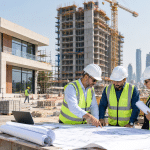
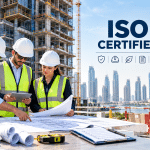
Installing glass and aluminium systems often involves working at height, handling heavy panels, and coordinating with several trades, so strong management systems make a real difference. Charminar is an ISO 9001, 14001, and 45001 certified company, covering quality, environmental, and occupational health and safety management. Recognised standards play a part here, as the role of ISO certifications in Dubai construction companies shows: they support consistent processes and client confidence. Certification does not replace experience, but it shows that documented, safe procedures are part of how a contractor works.
7 Key Benefits of Glass and Aluminium Installations for Dubai Buildings
- Natural light and wellbeing: Large glazed areas brighten interiors, reduce reliance on artificial lighting, and connect occupants with the skyline.
- Design flexibility: Slim aluminium profiles allow wide glass spans, and powder-coated or anodised finishes suit any brand or architectural vision.
- Durability: Corrosion-resistant frames cope well with Dubai’s heat, humidity, and dust.
- Low maintenance: Quality finishes and glass coatings are easy to clean and keep their appearance for years.
- Acoustic comfort: Laminated or double-glazed units help reduce traffic and external noise.
- Property value: A modern facade improves kerb appeal and market perception.
- Efficient delivery: Factory-fabricated components can be installed quickly on site, helping projects stay on schedule.
These advantages explain why Glass and Aluminium Installations are now standard across commercial, residential, and hospitality Dubai Buildings
Where These Systems Are Used
Typical applications include curtain walling, windows and sliding doors, shopfronts, office partitions, balustrades, skylights, and entrance canopies. Whether you are completing a new development or upgrading an existing property, Charminar’s glass and aluminium services are delivered as part of our one-stop contracting approach, alongside building contracting, interior fit-out, and maintenance.
How to Choose the Right Installation Partner
Before awarding a contract for Glass and Aluminium Installations, ask about:
- Proven experience on comparable projects
- Specifications that align with Dubai Municipality requirements
- Clear engineering details and material submittals
- Documented safety and quality procedures
- Warranty terms, maintenance guidance, and after-sales support
Conclusion
Glass and Aluminium Installations offer a rare combination of beauty, efficiency, and performance, making them a natural fit for modern Dubai Buildings. With sound engineering, early soil investigation, regulatory awareness, and a certified contractor, they can lower energy use, improve comfort, and add lasting value to your property.
Ready to Build with Confidence?
Get in touch with Charminar to learn how our project management expertise can streamline your next development.
📧 contact@bluediamondfm.com
📞 +971 56 705 4223
🌐 https://charminardubai.com/
Frequently Asked Questions (FAQ)
Why are glass and aluminium systems suitable for Dubai's climate?
Aluminium is lightweight, strong, and resistant to corrosion, so frames cope well with heat, humidity, and sunlight. Paired with performance glazing such as double-glazed, low-emissivity, or solar-control glass, they limit heat gain and reduce the load on air conditioning.
Do glazing choices affect green building compliance?
Yes. Glazing, frames, and insulation form part of the building envelope, which is central to Al Sa’fat and the Dubai Building Code. Silver Sa’fa is mandatory for new buildings, so specifications should be checked against current Dubai Municipality requirements.
Which glass types improve safety?
Toughened and laminated panels add strength and impact safety. The right choice depends on the height, wind exposure, and use of the building, and should be confirmed by the project engineer.
Does the ground beneath a building affect a glazed facade?
It can. Uneven settlement may distort frames and strain glass joints, which is why soil testing before construction helps designers choose a suitable foundation strategy.
What should I ask a contractor before installation begins?
Ask about experience on comparable projects, specifications aligned with Dubai Municipality requirements, engineering details and material submittals, documented safety and quality procedures, and warranty and maintenance support.