Waterproofing is the foundation of building longevity and structural integrity. Whether you’re managing a commercial property or maintaining a residential home, understanding effective waterproofing strategies can save thousands in repair costs and prevent extensive damage. This comprehensive guide explores essential techniques and best practices for keeping your building dry and protected.
Understanding the Importance of Building Protection
Water intrusion remains one of the most destructive forces affecting buildings today. From foundation cracks to roof leaks, moisture can compromise structural elements, promote mold growth, and damage interior finishes. Implementing proper waterproofing measures during construction and maintenance phases ensures your investment remains protected for decades.
Modern buildings face numerous water-related challenges, including heavy rainfall, groundwater pressure, condensation, and plumbing failures. Each entry point requires specific attention and tailored solutions to create a comprehensive moisture management system.
Critical Areas Requiring Protection
Foundation and Basement
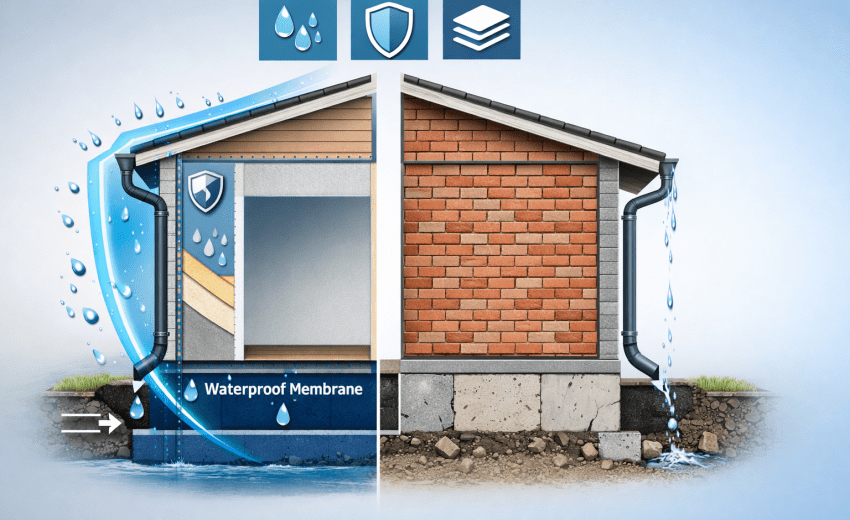
The foundation bears the brunt of hydrostatic pressure from surrounding soil. Effective waterproofing at this level involves applying membrane systems to exterior walls, installing drainage boards, and ensuring proper grading directs water away from the structure. Interior solutions include vapor barriers and sump pump systems that actively remove accumulated water.
Roofing Systems
Your building’s roof serves as the primary defense against precipitation. Regular inspection of shingles, flashing, and penetrations prevents small issues from becoming major problems. Flat roofs require particular attention, with membrane applications and proper drainage design essential for preventing ponding water.
Exterior Walls
Wall assemblies must breathe while keeping moisture out. Modern waterproofing approaches include weather-resistant barriers, properly sealed joints, and moisture-resistant cladding materials. Window and door installations represent common vulnerability points requiring meticulous flashing and sealant application.
Bathrooms and Wet Areas
Interior spaces exposed to regular moisture need specialized protection. Waterproof membranes beneath tile installations, proper slope toward drains, and quality sealants around fixtures prevent water from migrating into wall cavities and floor assemblies.
Material Selection and Application
Choosing appropriate materials depends on exposure conditions, substrate type, and expected service life. Liquid-applied membranes offer seamless protection for complex geometries, while sheet membranes provide robust solutions for large, flat surfaces. Cementitious coatings work well for concrete substations, offering breathability while blocking water penetration.
Application quality determines long-term performance. Surface preparation, environmental conditions during installation, and proper overlap or seam treatment all impact waterproofing effectiveness. Professional installation ensures manufacturer warranties remain valid and systems perform as designed.
Preventive Maintenance Programs
Even the best waterproofing systems require ongoing attention. Establishing a regular inspection schedule helps identify deterioration before leaks develop. Key maintenance activities include:
- Clearing gutters and downspouts quarterly
- Inspecting roof penetrations and flashings annually
- Testing basement sump pumps before rainy seasons
- Checking exterior sealants and caulking for cracks
- Monitoring interior spaces for water stains or musty odors
Documentation of maintenance activities and repairs creates valuable records for troubleshooting future issues and maintaining property value.
Signs of Waterproofing Failure
Early detection minimizes damage and repair costs. Warning signs include water stains on ceilings or walls, peeling paint, musty odors, visible mold growth, efflorescence on masonry, and standing water after rainfall. Any of these indicators warrants immediate investigation and remediation.
Investment in Long-Term Protection
Quality waterproofing represents a fraction of overall construction costs but provides disproportionate value. Buildings with effective moisture management maintain their structural integrity, offer healthier indoor environments, and command higher resale values. Skimping on waterproofing during construction or renovation inevitably leads to expensive remediation later.
Working with Professionals
Complex waterproofing challenges benefit from expert assessment. Professional contractors bring experience identifying root causes, recommending appropriate solutions, and executing installations that meet building codes and industry standards. Their work typically includes warranties providing peace of mind and financial protection.
Conclusion
Protecting buildings from water damage requires comprehensive planning, quality materials, proper installation, and ongoing maintenance. By prioritizing waterproofing throughout a building’s lifecycle, property owners safeguard their investments against one of construction’s most persistent threats. The cost of prevention always proves less than the expense of remediation, making robust moisture management an essential component of responsible building stewardship.
Ready to Build with Confidence?
Get in touch with Charminar to learn how our project management expertise can streamline your next development.
📧 contact@bluediamondfm.com
📞 +971 56 705 4223
🌐 https://charminardubai.com/
Frequently Asked Questions (FAQ)
How long does waterproofing last?
Properly installed waterproofing systems typically last 10-25 years depending on material quality, application technique, and environmental exposure. Regular maintenance extends service life significantly.
Can waterproofing be added to existing buildings?
Yes, retrofit waterproofing solutions exist for virtually any building. Options range from exterior excavation and membrane application to interior drainage systems and crystalline treatments that penetrate concrete.
What's the difference between waterproofing and dampproofing?
Waterproofing creates an impermeable barrier against liquid water under pressure, while dampproofing only resists moisture vapor. True waterproofing is essential for below-grade applications.
Is DIY waterproofing recommended?
Simple projects like applying sealant around windows may be DIY-friendly, but foundation, roof, and whole-building waterproofing require professional expertise to ensure effectiveness and avoid costly mistakes.
How much does professional waterproofing cost?
Costs vary widely based on project scope, from a few hundred dollars for minor repairs to $10,000+ for comprehensive basement waterproofing. Professional assessment provides accurate estimates for your specific needs.