Waterproofing is one of the most important investments any property owner can make to protect a building from structural damage, moisture intrusion, and long-term repair costs. From residential villas to commercial towers, proper moisture protection helps maintain durability, indoor comfort, and property value. In regions like Dubai, where buildings experience intense heat, humidity, occasional heavy rainfall, and constant air conditioning usage, water-related damage can silently develop if preventive measures are ignored.
Modern construction standards now prioritize advanced protective systems because even a minor leak can lead to serious complications such as mold growth, weakened concrete, damaged interiors, and corrosion of steel reinforcements. Professional Solutions tailored to specific building areas ensure long-term protection and improved building performance.
Why Moisture Protection Matters
Many property owners underestimate the impact of water penetration until visible damage appears. By the time stains, peeling paint, or cracks become noticeable, moisture may already be affecting structural components hidden beneath walls and flooring.
Effective Waterproofing systems create a protective barrier that prevents water from entering vulnerable areas of the building. This reduces maintenance expenses and extends the life of construction materials. It also improves indoor air quality by preventing damp conditions that encourage bacteria and mold growth.
Buildings exposed to changing temperatures are especially vulnerable. Expansion and contraction caused by heat can create tiny cracks in roofs, walls, and foundations. Without proper Solutions, these openings allow moisture to seep into the structure over time.
Roof Protection Systems
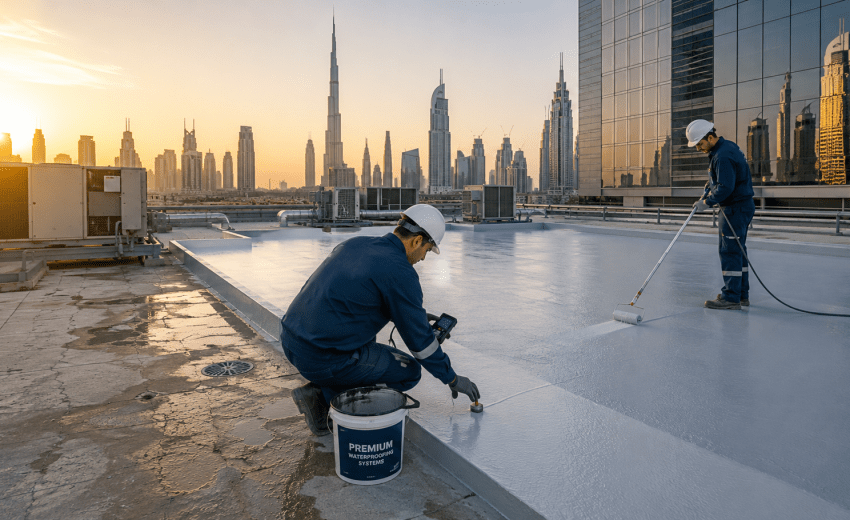
Roofs are among the most exposed parts of any property. Constant sunlight, standing water, and environmental pollutants gradually weaken roofing materials. Flat roofs, commonly used in Dubai properties, are particularly vulnerable because water can accumulate if drainage systems are inadequate.
Professional Waterproofing for roofs often includes liquid membrane coatings, bituminous systems, polyurethane applications, and cement-based treatments. These systems form a seamless layer that resists water penetration while tolerating thermal expansion.
Routine inspections are equally important. Small cracks or membrane failures should be repaired immediately to avoid costly structural damage. Proper roof maintenance combined with reliable Solutions significantly increases the lifespan of roofing systems.
Basement and Foundation Protection
Basements and foundations are constantly exposed to groundwater pressure and soil moisture. If not properly sealed, water can enter through cracks and joints, causing dampness, mold, and weakened structural integrity.
Advanced Waterproofing methods for foundations include external membrane systems, drainage boards, injection grouting, and crystalline coatings. These methods help prevent water infiltration while protecting reinforced concrete from corrosion.
Foundation damage can become extremely expensive if neglected. Water intrusion weakens structural stability and may eventually require major repairs. Investing in preventive Solutions during construction or renovation is far more cost-effective than addressing severe damage later.
Bathroom and Wet Area Treatment
Bathrooms, kitchens, laundry rooms, and balconies are considered high-risk wet areas because they are exposed to daily water usage. Poor sealing around tiles, drains, and plumbing fixtures can allow moisture to seep beneath surfaces.
Professional Waterproofing treatment beneath floor and wall finishes prevents leaks that may damage neighboring rooms or lower floors. Cementitious coatings and flexible membranes are commonly used to create durable barriers in wet environments.
Early treatment is essential because hidden leaks often remain undetected for months. Proper Solutions help maintain hygienic conditions while preventing unpleasant odors, peeling paint, and tile deterioration.
Exterior Wall and Facade Protection
Exterior walls face constant exposure to sunlight, humidity, rain, and airborne contaminants. Over time, small cracks can develop in concrete or plaster surfaces, allowing moisture to penetrate the building envelope.
Facade Waterproofing systems include breathable coatings, sealants, crack fillers, and protective paints designed to repel water without trapping internal moisture. These systems preserve the appearance of the building while improving resistance against environmental wear.
Commercial buildings especially benefit from exterior protection because facade damage affects both aesthetics and structural reliability. High-quality Solutions also improve energy efficiency by reducing moisture-related thermal loss.
The Importance of Professional Application
Choosing professional contractors is critical for achieving long-lasting results. Every building has unique structural requirements, environmental exposure, and usage conditions that influence the selection of materials and application methods.
Experienced specialists begin with a detailed inspection to identify vulnerable areas and recommend suitable Waterproofing systems. Proper surface preparation, product compatibility, and skilled application all play a major role in system performance.
Low-quality workmanship or incorrect material selection can lead to premature failure, repeated leakage issues, and unnecessary repair costs. Reliable Solutions provided by trained professionals deliver better durability and long-term peace of mind.
Preventive Maintenance Saves Money
Preventive maintenance is often overlooked until visible damage occurs. However, regular inspections and timely repairs are essential for maintaining effective moisture protection.
Property owners should schedule periodic evaluations of roofs, wet areas, facades, and drainage systems to identify early signs of wear. Addressing minor issues quickly helps avoid major structural repairs and interior damage.
Investing in professional Waterproofing maintenance not only protects the building but also increases property value and reduces operational costs over time.
Conclusion
Every property requires dependable protection against water damage to maintain safety, durability, and long-term value. Whether it is a roof, foundation, bathroom, or exterior wall, implementing the right Solutions helps prevent costly repairs and structural deterioration.
Professional Waterproofing systems are not just an optional upgrade; they are a critical part of responsible building maintenance. By choosing expert services and prioritizing preventive care, property owners can ensure their buildings remain secure, efficient, and protected for years to come.
Ready to Build with Confidence?
Get in touch with Charminar to learn how our project management expertise can streamline your next development.
📧 contact@bluediamondfm.com
📞 +971 56 705 4223
🌐 https://charminardubai.com/
Frequently Asked Questions (FAQ)
Why is waterproofing important for buildings?
Waterproofing prevents water intrusion that can cause structural damage, mold growth, paint deterioration, and weakened concrete.
Which areas of a building require waterproofing?
Common areas include roofs, basements, foundations, bathrooms, kitchens, balconies, water tanks, and exterior walls.
How long does waterproofing last?
The lifespan depends on the material used, environmental conditions, and maintenance practices. High-quality systems can last many years with proper care.
Can waterproofing help reduce maintenance costs?
Yes. Preventive moisture protection reduces the risk of expensive repairs caused by leaks, corrosion, and structural deterioration.
How do I know if my building needs waterproofing repairs?
Signs include water stains, peeling paint, mold growth, damp odors, cracks, bubbling walls, or recurring leaks.