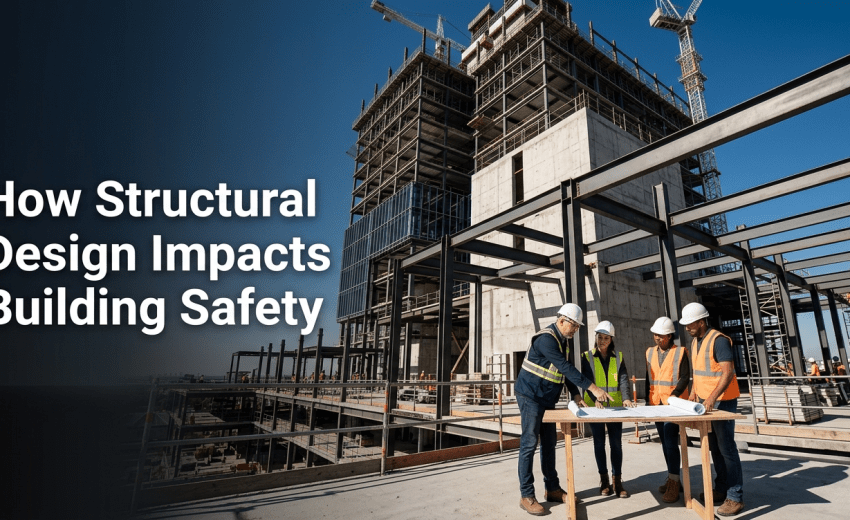
Structural design and building safety are inseparable. Every skyscraper, bridge, hospital, and home relies on engineering decisions made long before the first brick is laid. When structural design is done well, occupants never have to think about the forces acting on the building around them. When it fails, the consequences can be catastrophic. In this article, we explore how thoughtful structural design forms the backbone of building safety — and why every project deserves rigorous engineering from the ground up.
What Is Structural Design?
Structural design is the process by which engineers determine the size, shape, and material composition of a building’s load-bearing elements — beams, columns, foundations, walls, and connections. The goal is to ensure the structure can safely carry all anticipated loads: the weight of occupants, furniture, snow, wind, seismic activity, and more.
Good structural design anticipates both ordinary conditions and extreme events. It applies proven principles of physics and materials science to create buildings that stand firm for decades — or longer.
The Direct Link Between Structural Design and Building Safety
Building safety depends on the integrity of every structural element. Poor design choices — undersized beams, inadequate foundations, wrong material selection — create vulnerabilities that may lie dormant for years before a failure event exposes them. High winds, heavy rain, or a moderate earthquake can reveal what faulty structural design has hidden.
Key areas where structural design directly affects building safety include:
- Load Path Integrity: Every force acting on a structure must be transferred safely to the ground. Structural design maps out a clear, continuous load path — from the roof to the foundation.
- Redundancy: Well-designed structures have backup systems. If one element is overloaded or damaged, others can absorb the additional stress, preventing progressive collapse.
- Material Compatibility: Mixing materials that expand or contract at different rates can cause cracking and failure. Structural design accounts for these interactions.
- Connection Design: Joints and fasteners are often where failures begin. Proper structural design ensures connections are as strong as — or stronger than — the members they join.
Core Principles That Guide Safe Structural Design
Experienced structural engineers follow well-established principles to deliver building safety across all project types.
- Code Compliance
Building codes set minimum standards that structural design must meet. Compliance with local and international codes — such as the International Building Code (IBC) or Eurocode — is not optional; it is the legal and ethical foundation of every safe structure.
- Safety Factors and Load Combinations
Structural design applies safety factors — multipliers that amplify calculated loads — to account for uncertainty in material properties, construction quality, and actual usage. Load combinations consider simultaneous forces: a building in a coastal region must be designed for high winds and flooding at the same time.
- Durability and Maintenance
A structure that performs safely on opening day but degrades rapidly is not truly safe. Structural design must consider long-term durability: corrosion protection for steel, moisture resistance for timber, and rebar cover for concrete are all building safety concerns baked into initial design decisions.
Emerging Technologies Enhancing Structural Design for Building Safety
The engineering industry is advancing rapidly. Modern tools are transforming how structural design contributes to building safety:
- Building Information Modelling (BIM): BIM integrates architectural, structural, and MEP designs into a single digital model, revealing clashes and weaknesses before construction begins.
- Finite Element Analysis (FEA): FEA software simulates how structures respond to loads, allowing engineers to optimise design and improve building safety without physical prototypes.
- Smart Sensors and IoT Monitoring: Embedded sensors can monitor strain, vibration, and temperature in real time, providing early warnings of structural distress.
- Performance-Based Earthquake Engineering: Rather than simply meeting code minimums, this approach uses probabilistic modelling to achieve specific safety performance targets under seismic events.
Common Structural Design Mistakes That Compromise Building Safety
Even experienced teams can make errors. Understanding common pitfalls helps prevent them:
- Underestimating Loads: Assumptions about occupancy, wind speeds, or snow loads that turn out to be too optimistic are a leading cause of building safety incidents.
- Inadequate Soil Investigation: Foundation failures often trace back to skipped or rushed geotechnical surveys. The soil conditions determine what foundations are appropriate.
- Ignoring Progressive Collapse: A structurally sound building in normal conditions can still fail catastrophically if one key element is removed. Robust structural design includes progressive collapse resistance.
- Poor Construction Oversight: Even perfect structural design cannot guarantee building safety if the construction deviates from specifications. Engineer-of-record inspections are essential.
Conclusion
Structural design is not merely a technical exercise — it is an ongoing commitment to building safety and human welfare. From the choice of materials to the configuration of load paths, every decision an engineer makes has real-world consequences for the people who live, work, and gather inside the structures we create. Investing in quality structural design from day one is always the most cost-effective way to ensure a building performs safely throughout its entire lifespan.
Ready to Build with Confidence?
Get in touch with Charminar to learn how our project management expertise can streamline your next development.
📧 contact@bluediamondfm.com
📞 +971 56 705 4223
🌐 https://charminardubai.com/
Frequently Asked Questions (FAQ)
Why is structural design so important for building safety?
Structural design establishes whether a building can safely carry all loads it will ever experience — occupant weight, wind, earthquakes, and more. Without sound structural design, no amount of beautiful architecture or high-quality finishes can prevent a catastrophic failure.
What are the main components of structural design?
The main components include foundation design, framing systems (beams, columns, slabs), lateral force resistance (shear walls, bracing), connection design, and material specification. Each component plays a role in overall building safety.
How do building codes relate to structural design and building safety?
Building codes define the minimum safety standards that structural design must meet. They are developed from decades of engineering research and lessons learned from structural failures. Compliance is legally required and forms the foundation of sound building safety practice.
Can an older building be made safer through structural retrofitting?
Yes. Structural retrofitting applies modern structural design principles to existing buildings to bring them up to current building safety standards. Common retrofitting techniques include adding shear walls, base isolation for seismic protection, and strengthening connections between structural elements.
How often should a building's structure be inspected?
Most jurisdictions require periodic structural inspections, often every 5 to 10 years for commercial buildings. After significant events — earthquakes, floods, or severe storms — a prompt structural assessment is critical for building safety, regardless of how minor visible damage appears.