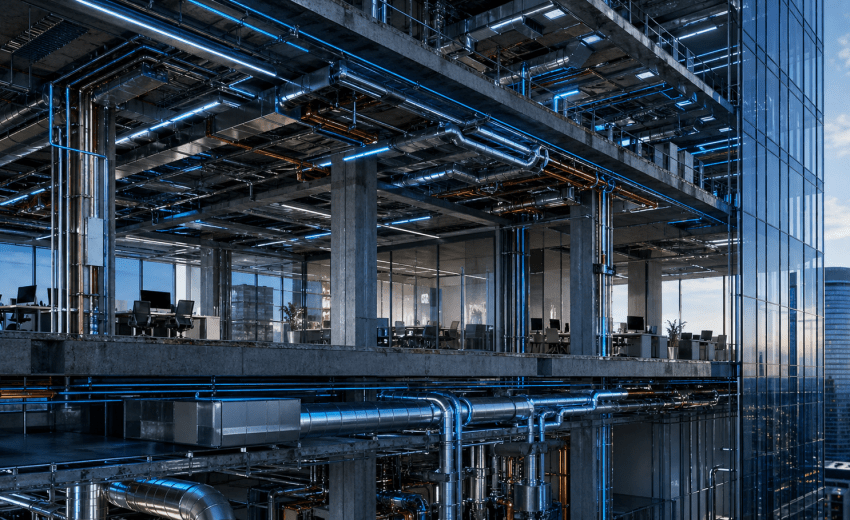
MEP Systems are the invisible backbone of every functional building — the intricate network of mechanical, electrical, and plumbing infrastructure that transforms a structure of concrete and steel into a liveable, safe, and efficient space. Whether you are developing a high-rise tower, a hospital, a school, or a commercial complex, understanding the role of MEP Systems is not optional — it is essential.
What Are MEP Systems?
MEP stands for Mechanical, Electrical, and Plumbing. Together, these three engineering disciplines form the core operational framework of any modern building. MEP Systems include HVAC (heating, ventilation, and air conditioning), power distribution, lighting, fire protection, drainage, water supply, and more. Far from being an afterthought, they are integrated into the building design from the earliest planning stages.
Why MEP Systems Are Critical in Building Construction
- Occupant Comfort and Health
One of the primary purposes of MEP Systems is to ensure the well-being of building occupants. Properly designed HVAC systems regulate indoor air quality, temperature, and humidity — factors that directly affect productivity and health. Without a functioning mechanical system, even the most architecturally stunning building becomes uncomfortable and uninhabitable.
- Energy Efficiency and Sustainability
Today’s construction landscape demands sustainable outcomes. Well-engineered MEP Systems significantly reduce a building’s energy consumption by incorporating smart controls, energy-efficient fixtures, LED lighting, and optimised HVAC design. In a region like the UAE, where cooling loads are extreme, the mechanical component of MEP Systems can account for up to 60% of a building’s total energy use — making precision design non-negotiable.
- Safety and Code Compliance
Building authorities worldwide — including the UAE’s Dubai Civil Defence and local municipality bodies — mandate strict adherence to MEP codes and standards. MEP Systems encompass fire suppression systems, emergency lighting, earthing and bonding, and safe plumbing practices. Non-compliance is not just a legal risk; it is a life-safety issue. Properly installed and commissioned MEP Systems protect lives.
- Structural Coordination
Modern buildings require careful coordination between architectural, structural, and MEP disciplines. Clash detection — identifying where pipes, ducts, and cables conflict with beams or slabs — is one of the most time-consuming yet vital parts of pre-construction planning. Using BIM (Building Information Modelling), MEP engineers can resolve conflicts digitally before they become costly site problems.
- Long-Term Operational Costs
Buildings that invest in quality MEP Systems during construction spend significantly less on maintenance and repairs over their lifetime. A poorly designed plumbing system, for example, can lead to water ingress, mould, and structural damage. Similarly, an undersized electrical system becomes a bottleneck as a building’s power demands grow. Getting MEP Systems right the first time is always more economical than retrofitting.
The MEP Design Process: A Snapshot
The design of MEP Systems typically follows this sequence: Schematic Design — load calculations, system selection, and concept development. Design Development — detailed drawings, equipment specifications, and coordination with other disciplines. Construction Documents — final drawings and specifications for tendering and construction. Site Supervision — ensuring installation matches design intent. Commissioning — testing and validating that all systems perform as specified. Each stage demands specialist expertise and close collaboration with architects and structural engineers.
MEP Systems in the UAE Construction Context
The UAE’s ambitious construction sector — from the tallest skyscrapers to sprawling mixed-use developments — places enormous demands on MEP Systems. Extreme heat, high humidity, and the requirement for district cooling connections, treated sewage effluent (TSE) systems, and solar-ready electrical infrastructure make MEP design here uniquely complex. Contractors and consultants who understand local authority requirements and climatic conditions deliver far superior outcomes.
Conclusion
From the air you breathe to the lights above your head and the water from your tap, MEP Systems quietly power every moment inside a building. Investing in expert MEP design and installation is one of the most impactful decisions a developer can make — one that pays dividends in safety, efficiency, and occupant satisfaction for decades to come.
Ready to Build with Confidence?
Get in touch with Charminar to learn how our project management expertise can streamline your next development.
📧 contact@bluediamondfm.com
📞 +971 56 705 4223
🌐 https://charminardubai.com/
Frequently Asked Questions (FAQ)
What does MEP stand for in construction?
MEP stands for Mechanical, Electrical, and Plumbing — the three core engineering systems that make a building operational, safe, and comfortable.
At what stage of construction are MEP Systems designed?
MEP Systems are designed from the early schematic phase and refined through to construction documentation. Early integration prevents costly clashes and redesigns.
How do MEP Systems affect building energy performance?
MEP Systems — particularly HVAC and lighting — are the largest consumers of energy in a building. Optimised MEP design can reduce energy use by 20–40%, contributing to green building certifications such as LEED or Estidama.
Who is responsible for MEP Systems on a construction project?
Typically, a specialist MEP consultant or contractor is appointed alongside the main contractor. They coordinate with architects and structural engineers throughout the project lifecycle.
Are MEP Systems customised for each building?
Yes. Every building has unique requirements based on its use, occupancy, location, and size. MEP Systems are always designed and engineered to suit the specific project brief.