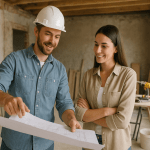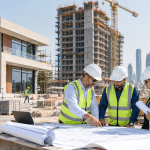

Preventing common structural issues during renovation is one of the most important steps homeowners and property developers can take to ensure a safe, durable, and cost-effective transformation. Renovations often bring excitement and the promise of a refreshed living or working space, but without proper planning and awareness, structural problems can arise that compromise the entire project. From weak foundations to poorly removed walls, these issues not only increase expenses but can also create long-term risks. By understanding potential challenges and knowing how to prevent them, you can ensure your renovation is both smooth and successful.
Why Structural Issues Arise During Renovations
Renovations often involve changes to layouts, materials, and systems. When these changes are made without detailed planning or professional guidance, structural weaknesses can develop. For example, removing load-bearing walls without reinforcements can lead to sagging ceilings or cracks in walls. Similarly, adding heavy features like marble countertops or additional flooring without assessing structural load capacity can cause stress on beams and foundations. Preventing these issues begins with awareness and thorough evaluation before any construction work begins.
The Role of Proper Assessment
One of the key steps in preventing structural problems during renovation is carrying out a comprehensive assessment of the existing building. A structural engineer or qualified contractor should examine the foundation, beams, columns, and roofing systems. This helps identify weak spots that need reinforcement before work begins. A strong foundation is essential for supporting any new features, whether you are adding another floor, expanding rooms, or installing heavier materials. Investing in a pre-renovation inspection may seem like an additional cost, but it can save thousands in repairs later.
Preventing Issues with Foundations
The foundation is the backbone of any structure, and renovations that overlook its condition can face serious consequences. Cracks, uneven settling, or water seepage are signs that the foundation may already be compromised. Before renovation starts, it is important to address these concerns through professional repair and waterproofing. Preventing foundation-related issues ensures that the renovation will not only look good but also stand strong for years to come.
Load-Bearing Walls and Beams
Many homeowners dream of open-concept living spaces, but removing walls without considering their structural role is a common mistake. Load-bearing walls and beams carry significant weight, and tampering with them without proper planning can create sagging, cracks, or even collapse. Preventing such outcomes requires consultation with engineers, who can recommend alternatives such as steel reinforcements or additional support beams to maintain safety while achieving design goals.
Roof and Ceiling Considerations
Renovations often involve roofing updates, attic conversions, or ceiling modifications. Over time, roofing systems can weaken due to water damage, termites, or poor construction. Preventing roof-related structural issues means conducting a thorough check for leaks, damaged trusses, or weak supports before beginning work. This ensures that any upgrades, like skylights or new insulation, do not compromise the integrity of the structure.
Electrical, Plumbing, and Hidden Risks
Renovation projects often reveal hidden problems like outdated electrical wiring or corroded plumbing systems. While these may not seem structural at first, unresolved issues can lead to water damage, mold growth, or even fires—indirectly weakening the building. Preventing such hidden risks involves replacing old systems and ensuring they comply with current safety codes. Doing so not only enhances functionality but also protects the structure.
Material Selection Matters
The choice of construction materials plays a major role in structural stability. Low-quality or mismatched materials can cause cracks, uneven floors, or faster wear and tear. Preventing issues related to material quality means selecting durable, compatible, and tested products. Whether it’s flooring, roofing, or wall reinforcements, investing in the right materials guarantees better long-term performance.
Cost vs. Safety: A Smart Balance
One of the most common reasons structural issues occur is the temptation to cut costs. Homeowners may choose cheaper contractors, skip inspections, or use lower-quality materials. However, these shortcuts almost always lead to bigger expenses in the future. Preventing costly mistakes requires balancing budget with safety. Working with experienced professionals, even if it costs more upfront, ensures that the project is completed correctly and safely.
The Importance of Professional Expertise
Renovations are complex projects, and preventing structural issues depends heavily on professional knowledge. Architects, engineers, and licensed contractors bring valuable expertise in understanding loads, materials, and construction codes. Their involvement helps ensure that your renovation not only looks beautiful but also remains strong, safe, and compliant with regulations. Attempting to manage complex structural changes without expert input often results in expensive mistakes that could have been avoided.
Long-Term Benefits of Preventing Structural Issues
When structural integrity is prioritized, the benefits extend beyond the immediate renovation. Preventing common issues means fewer repairs in the future, improved property value, and enhanced safety for occupants. A structurally sound renovation also ensures that future upgrades or expansions can be carried out with confidence. Ultimately, preventing problems before they arise leads to peace of mind and greater satisfaction with your renovation investment.
Conclusion
Preventing common structural issues during renovation is not just about avoiding extra costs—it’s about ensuring safety, stability, and lasting value. With proper planning, quality materials, and expert guidance, your renovation project can achieve both design excellence and structural strength.
Ready to Build with Confidence?
Get in touch with Charminar to learn how our project management expertise can streamline your next development.
📧 contact@bluediamondfm.com
📞 +971 56 705 4223
🌐 https://charminardubai.com/
Frequently Asked Questions (FAQ)
Why is preventing structural issues important during renovation?
Preventing structural issues ensures safety, avoids costly repairs, and protects the long-term value of your property. It also keeps renovation projects compliant with building codes.
What are the most common structural problems in renovations?
The most common issues include weak foundations, removal of load-bearing walls, roof leaks, poor-quality materials, and hidden problems like outdated wiring or plumbing.
How can I make sure my renovation is structurally safe?
Hire licensed professionals, conduct a pre-renovation structural assessment, use high-quality materials, and avoid shortcuts that compromise safety.
Do I need a structural engineer for my renovation?
Yes, a structural engineer is essential if your renovation involves walls, beams, roofing, or foundation changes. They ensure modifications don’t weaken the building.
How do hidden problems affect structural safety?
Hidden problems such as leaks, mold, or faulty wiring can gradually weaken structural components, leading to long-term damage if not addressed early.